After the Festival Smoke Clears: A Grounded Recovery Ritual for the Multi-Day Mountain Cannabis Retreat
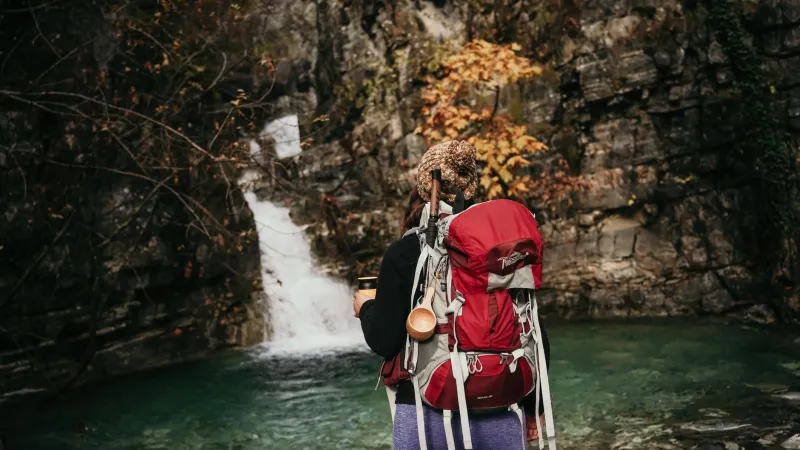
You packed in. You camped, laughed, passed joints around a fire at 9,000 feet, ate questionable food from a vendor tent, slept on a sleeping pad that was definitely not rated for that temperature, and consumed more cannabis over four days than you probably do in a typical month. And it was worth it.
But now the tents are coming down, the stages are going quiet, and your body is sending you a very clear message: we need to talk.
The multi-day mountain cannabis festival experience is genuinely one of the most immersive ways to connect with both the plant and the landscape. But the comedown — physical, mental, and emotional — is real, and it deserves its own intentional protocol. Jumping straight from the festival grounds back into your regular life without a proper landing can leave you foggy, irritable, and reaching for the pipe again before you've even unpacked your gear.
Here's how to build a recovery ritual that actually honors what your body went through up there.
First, Understand What You're Actually Recovering From
Multi-day heavy cannabis use at elevation stacks a few different physiological stressors on top of each other. Your endocannabinoid system has been running hot. THC metabolites — stored in fat tissue — are still slowly releasing into your bloodstream even after you stop consuming. On top of that, altitude itself suppresses appetite and disrupts sleep architecture, so you're likely coming home mildly dehydrated, under-slept, and potentially under-nourished.
The fogginess and low-grade emotional flatness that often follow extended cannabis retreats isn't a moral failing. It's your brain's dopamine and serotonin signaling recalibrating after days of elevated endocannabinoid activity. Give it respect. Give it time. Typically, most people find that the sharpest edges of post-festival mental fog lift within 48 to 72 hours, with full cognitive clarity returning somewhere around the five-to-seven day mark depending on your baseline consumption habits and individual metabolism.
Day One: Don't Rush the Descent
If you have any flexibility at all, resist the urge to drive straight from the festival grounds back to the city. Spend one more night — or at minimum a long morning — still in the mountain environment. This isn't indulgence. It's strategy.
The abrupt sensory shift from high-altitude wilderness to urban density is jarring under normal circumstances. After days of altered consciousness and thin air, it can feel genuinely disorienting. Use your first recovery day to stay slow. A gentle walk — not a summit attempt, just a flat or rolling trail — gets circulation moving and helps your lymphatic system start clearing metabolic waste. Drink water constantly. Not sports drinks, not coffee — water, with maybe a pinch of salt and a squeeze of lemon if you want to keep electrolytes in the picture.
Hold off on consuming cannabis on day one if you can manage it. Let the system start resetting on its own terms.
The Cold Plunge Is Not Optional (Okay, It Kind of Is, But Try It)
Mountain streams, alpine lakes, even a campground cold shower — cold water immersion is one of the most effective tools you have for shaking off the post-festival haze. Cold exposure triggers norepinephrine release, which acts as a natural mood stabilizer and focus enhancer. It also reduces systemic inflammation, which your body has accumulated from nights on the ground, smoke inhalation, and the general physical chaos of festival life.
You don't need to do a five-minute ice bath. Even 30 to 90 seconds of cold immersion — feet, legs, or full body if you're brave — is enough to get the physiological benefit. The mountain setting makes this genuinely accessible in a way that your apartment bathroom at home just can't replicate. Use it while you still have it.
Eating Your Way Back to Earth
Festival food is festival food. You know what you ate. The recovery protocol here is simple: prioritize whole foods with protein and healthy fats for the first few days back. Your endocannabinoid system is built from fatty acids — omega-3s in particular — so salmon, walnuts, flaxseed, and avocado aren't just good general nutrition right now, they're literally giving your body the raw materials it needs to rebuild receptor sensitivity.
If the munchies were especially aggressive over the weekend (and at altitude, they often are — we've written about this), your blood sugar may have been on a bit of a roller coaster. Stabilize it with regular, balanced meals rather than grazing on whatever's left in the cooler. Your mood will thank you.
Meditation and the Mountain Mindset Carry-Over
One of the genuinely underappreciated gifts of a mountain cannabis experience is the mental spaciousness it can open up. The weeks after a festival retreat are actually a surprisingly fertile time for a meditation or journaling practice, because your mind has been loosened from its usual grooves.
Spend ten to fifteen minutes each morning for the first week back just sitting quietly — outside if possible, or near a window with some natural light. Don't try to force insight. Just let the mental sediment from the festival settle. You'll often find that clarity about something — a relationship, a work situation, a creative project — surfaces naturally in these quiet morning windows, as if the mountain experience needed a few days of stillness to fully process.
When Is It Okay to Consume Again?
This is the question everyone actually wants answered, and the honest response is: it depends, and there's no wrong answer as long as it's intentional.
If you're a regular daily consumer, your baseline will reassert itself pretty quickly and a brief break of even two to three days can meaningfully reset your tolerance. If you were consuming heavily at the festival but don't usually use cannabis that intensely in regular life, give yourself a full week before reintroducing — and when you do, start with a much lower dose than you were using on the mountain. Your sensitivity will be higher than you expect.
The real goal isn't abstinence for its own sake. It's intentionality. After a festival experience that rich, coming back to cannabis from a place of conscious choice rather than habitual reflex makes the next session that much more meaningful.
The Mountain Gave You Something — Let It Settle
Multi-day retreats in high-altitude cannabis culture have a way of cracking something open. Whether that's a new appreciation for a particular strain, a deeper sense of connection to the outdoors, or just the simple recognition that your body is more resilient and more sensitive than you give it credit for — something shifted up there.
The recovery ritual isn't about erasing the experience. It's about giving it the space to integrate. Hydrate, move gently, eat real food, sit with the quiet, and let the peaks do their slow, patient work on you even after you've come back down.
The mountain will be there next summer. Come back to it rested.