From Soil to Summit: How to Read Cannabis Terroir Like a Seasoned Connoisseur
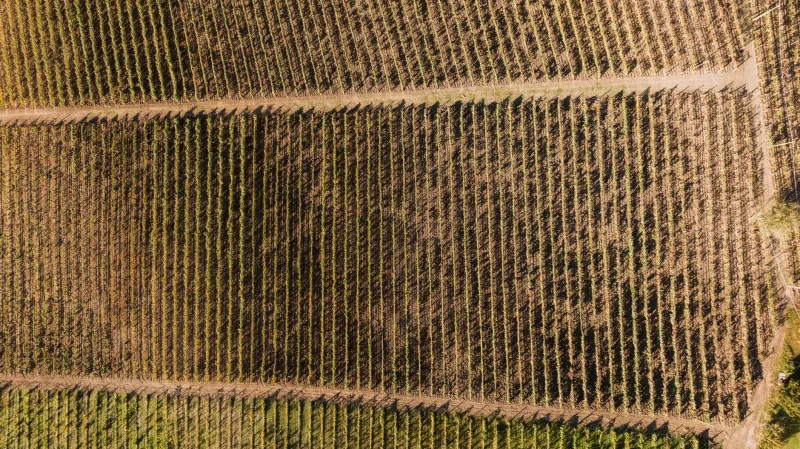
Pour yourself a cup of something warm, find a seat with a view, and let's talk about one of the most underappreciated concepts in the cannabis world: terroir. If you've ever swirled a glass of wine and heard someone wax poetic about the "mineral finish" or the "volcanic soil character," you already have a rough idea of what we're getting at. The same logic applies to cannabis — and once you start thinking this way, every strain becomes a lot more interesting.
What Even Is Terroir, and Why Should Cannabis Consumers Care?
Terroir (pronounced tair-WAH, for the uninitiated) is a French term borrowed from the wine world. At its core, it refers to the complete natural environment in which a plant grows — soil composition, altitude, rainfall, temperature swings, sun exposure, and even the microbial life living in the dirt. All of those factors leave a mark on the final product.
In wine, terroir explains why a Pinot Noir from Oregon's Willamette Valley tastes earthier and more restrained than one from California's warmer Central Coast. With cannabis, the same principle holds. A sativa-leaning strain cultivated in the sun-drenched lowlands of a humid Southern state will express itself differently than the same genetic lineage grown at 8,000 feet in a Colorado mountain valley. Same seeds, wildly different experiences.
For consumers, understanding terroir is genuinely useful. It gives you a framework for predicting what you might enjoy, asking better questions at your local dispensary, and appreciating why two products with similar lab numbers can feel completely different in your body.
Altitude: The Invisible Ingredient
Elevation is arguably the most dramatic terroir variable for cannabis. At higher altitudes, several things happen simultaneously that stress the plant in productive ways.
First, UV radiation increases significantly. For every 1,000 feet you climb, UV exposure jumps by roughly 8–10%. Cannabis plants respond to that intensity by ramping up resin production — a natural sunscreen response that happens to concentrate cannabinoids and terpenes. This is a big reason why landrace strains from high-altitude regions like the Hindu Kush mountains or the highlands of Colombia developed such resinous, potent profiles over centuries.
Second, the temperature differential between day and night grows more pronounced at elevation. Those cold nights trigger anthocyanin production (hello, purple hues) and slow the plant's metabolism in ways that can deepen flavor complexity. Think of it like slow-roasting vegetables versus rushing them in a hot oven — the longer, more deliberate process develops richer character.
Third, lower oxygen levels and thinner air force the plant to work harder, which can compact its structure and concentrate its chemical output into a smaller, denser package.
When you pick up a mountain-grown product and notice an unusually complex terpene profile — something that layers pine and earth under a bright citrus top note — altitude is likely part of the story.
Soil: The Foundation of Flavor
Sommeliers talk about "minerality" in wine, and that quality traces directly to soil. Cannabis is equally expressive of what's beneath it.
Sandy, well-draining soils tend to produce plants with lighter, more floral aromatic profiles. Heavy clay soils retain moisture and can encourage earthier, more pungent expressions. Loamy mountain soils — rich in decomposed organic matter from years of forest floor activity — often yield cannabis with layered, complex terpene signatures that lean woody, herbal, and sometimes almost savory.
The microbial ecosystem in living soil matters too. Mycorrhizal fungi and beneficial bacteria act as nutrient delivery systems, helping the plant access minerals it couldn't reach alone. Cannabis grown in biologically active, living soil consistently shows more terpene diversity than plants grown in sterile, nutrient-fed hydroponic setups — not a knock on hydro, just a different flavor destination.
If you're shopping at a craft dispensary and the grower mentions living soil or regenerative farming practices, that's a terroir signal worth paying attention to.
Climate and Microclimate: The Daily Drama
Beyond the big-picture geography, microclimates — the hyperlocal weather patterns of a specific hillside, valley, or canyon — add another layer of nuance. A south-facing slope in the Rockies gets more direct sun and stays warmer than a north-facing ridge just a quarter mile away. That difference shapes everything from flowering time to cannabinoid ratios.
Humidity plays a significant role as well. Dry, arid mountain climates push plants to produce more protective resin as a moisture retention strategy. Humid coastal or lowland environments can suppress resin production while encouraging lush, fast vegetative growth. Neither is inherently better — they're just different expressions of the same plant.
This is why regional craft cannabis is such an exciting frontier. A small-batch grower in the Appalachian foothills of North Carolina is working with a completely different set of environmental inputs than someone cultivating in the high desert outside Santa Fe. Both can produce exceptional cannabis, but they'll taste and feel like they come from different worlds — because they do.
How to Apply This at the Dispensary
You don't need a sommelier certification to start using terroir thinking in your shopping routine. Here are a few practical moves:
Ask where it was grown. Outdoor and greenhouse grows are far more terroir-expressive than indoor cultivation, where environment is artificially controlled. If the budtender can tell you the farm's location and elevation, you're already ahead.
Look for terpene panels, not just THC percentages. A terpene breakdown gives you a real window into the plant's chemical fingerprint. High myrcene suggests earthy, relaxing vibes. Elevated pinene points toward mountain-fresh, mentally clarifying effects. Limonene brings brightness and mood elevation. These aren't random — they often correlate with growing conditions.
Seek out single-origin or small-batch products. Mass-market cannabis is often blended or grown under conditions optimized for yield over character. Craft producers who grow small and highlight their source region are the cannabis equivalent of an estate-bottled wine.
Keep a simple tasting journal. You don't need to be precious about it — just jot down where a product was grown, what you noticed about its smell and flavor, and how it made you feel. Over time, patterns will emerge, and you'll start recognizing the signatures of regions and growing styles you love.
The Bigger Picture
Thinking about cannabis through a terroir lens isn't just a fun intellectual exercise — it's a way of honoring the plant and the people who grow it. When you recognize that a jar of flower represents a specific place, a specific season, and a specific set of environmental decisions, it shifts the whole experience.
Here at Misty Mountain Canna, we believe cannabis deserves the same kind of thoughtful appreciation we give to great food and fine wine. The peaks and valleys of this country are producing some genuinely world-class cannabis, and the more you know about what makes each region unique, the richer every session becomes.
So next time you crack open something new, take a slow breath before you dive in. That aroma is a postcard from a specific patch of earth. Learn to read it, and the mountains open right up.