Higher Ground, Lighter Head: What Elevation Actually Does to Your Cannabis High
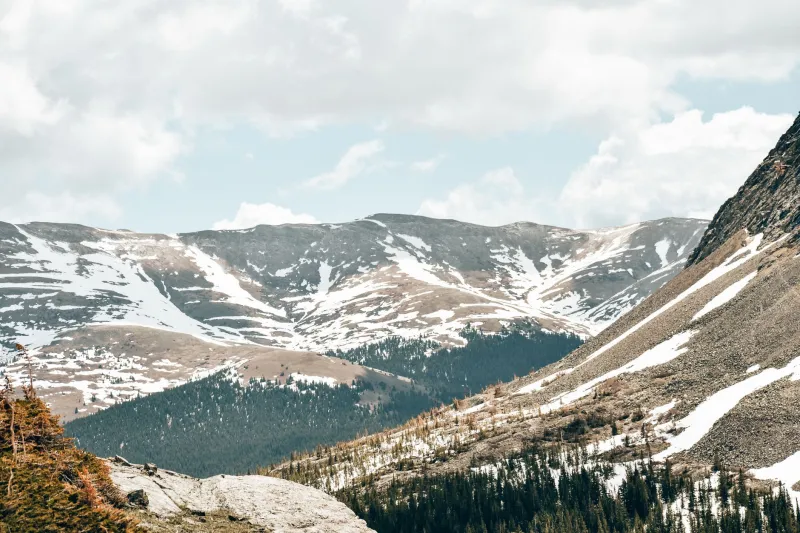
There's a reason first-timers in Colorado dispensaries get the "start low, go slow" speech more urgently than anywhere else. It's not just good retail manners — it's science. If you've ever felt unexpectedly lifted after a single joint on a ski trip, or noticed that your usual evening edible hit like a freight train at 8,000 feet, you weren't imagining things. Elevation genuinely changes how your body processes cannabis, and understanding why makes for a safer, more enjoyable experience in the mountains.
Oxygen Is the Invisible Variable
Let's start with the basics. As you climb in altitude, barometric pressure drops. That means each breath you take contains fewer oxygen molecules than it would at sea level, even though the percentage of oxygen in the air stays the same at around 21%. Your body compensates by breathing faster and pumping blood more efficiently — but until it fully adapts, you're running at a slight physiological deficit.
That mild oxygen shortfall matters when cannabis enters the picture. THC and other cannabinoids interact with your endocannabinoid system partly through blood flow and neurological signaling. When your blood oxygen is already slightly reduced, the psychoactive effects of THC can feel amplified. Your brain, already working a little harder to maintain baseline function, is more sensitive to compounds that alter perception and cognition.
Think of it like adding a small weight to one side of a scale that's already tipped. The imbalance becomes more noticeable faster.
Your Heart Is Already Working Overtime
Here's something most people don't consider: cannabis raises your heart rate, and so does altitude. Combine the two, and your cardiovascular system is doing double duty.
At high elevations, your heart beats faster to circulate oxygen-thin blood more efficiently. Cannabis — particularly THC-dominant strains — typically causes a temporary increase in heart rate as well, sometimes by 20 to 50 beats per minute in the first hour after consumption. For healthy, experienced users, this isn't usually dangerous. But for newcomers, older adults, or anyone with underlying cardiovascular concerns, that stacked effect deserves real attention.
If you're visiting a mountain town from sea level, your body hasn't had the weeks or months needed to fully acclimatize. Native highlanders — folks who live in places like Leadville, Colorado (elevation 10,152 feet) — develop more red blood cells over time to compensate for thinner air. Visitors don't have that buffer. So even if you have a solid tolerance at home, treat yourself like a relative beginner when you're consuming at altitude.
Dehydration Amplifies Everything
Mountain air is notoriously dry. Between low humidity, increased respiration, and the diuretic tendencies of alcohol (which many cannabis users mix socially), dehydration is incredibly common among visitors to high-altitude destinations. And dehydration makes everything more intense — including your high.
When your body is low on fluids, your blood volume decreases slightly, concentrating substances like THC in your bloodstream. Dehydration also makes you more prone to headaches, dizziness, and fatigue — symptoms that overlap uncomfortably with cannabis overconsumption. It can be genuinely hard to tell whether you're greened out or simply parched.
The fix is simple but often ignored: drink water consistently before, during, and after consuming. Herbal teas, electrolyte drinks, and water-rich foods all help. Avoid leaning heavily on alcohol as a social companion to cannabis at elevation — that combination stacks dehydration risk quickly.
Metabolism and Absorption at High Altitude
Edibles deserve special mention here, because the altitude-edible combo catches people off guard more than any other consumption method.
Your digestive system processes edibles based on a range of factors — metabolism, fat content in your meal, liver enzyme activity, and gut motility. At high altitude, some of these processes shift subtly. Reduced atmospheric pressure can affect how your gastrointestinal tract functions, and some research suggests digestion slows modestly at elevation. This means edibles might take longer to kick in — which leads to the classic mistake of taking more because "it's not working yet," only to have both doses hit simultaneously.
Inhaled cannabis isn't immune either. Smoking or vaping at altitude means your lungs are already slightly stressed. Some users find that the same amount of flower produces a noticeably stronger effect at 7,000 feet than it does at sea level, simply because every system in the body is operating under slightly different conditions.
Practical Tips for Elevation-Conscious Consumption
None of this is meant to scare you away from enjoying cannabis in a beautiful mountain setting — quite the opposite. A little awareness goes a long way toward making the experience genuinely great rather than unexpectedly overwhelming. Here's how to set yourself up for success:
Give yourself an acclimatization window. If you're visiting from a low-elevation city, spend your first 24 to 48 hours getting used to the altitude before consuming. Mild headaches and fatigue are normal during this window; adding THC into the mix makes them harder to manage.
Drop your dose by at least a third. Whatever you'd normally consume at home, start with significantly less. You can always add more — you can't undo a dose that's already in your system.
Hydrate like it's your job. Aim for more water than you think you need. Mountain air will dehydrate you faster than you expect, especially if you're active.
Choose lower-THC options when possible. High-altitude consumption is a great time to explore balanced CBD/THC products, or milder flower. Save the heavy hitters for when your body has had time to adjust.
Sit down before you find out you need to. Elevation-related light-headedness combined with a cannabis high can make standing up quickly feel disorienting. Take your time, especially in the first hour after consumption.
Know the local emergency resources. Most mountain towns near cannabis-legal destinations have medical professionals familiar with altitude sickness and cannabis overconsumption. There's no shame in seeking help if you feel seriously unwell.
The Mountain Experience, Done Right
Consuming cannabis in a scenic alpine environment can be one of the most memorable, grounding experiences available to a curious traveler or a relocating enthusiast. The combination of crisp air, sweeping views, and a well-chosen strain has a way of making the ordinary feel extraordinary. But the mountains demand a little respect — from weather, from terrain, and yes, from physiology.
At Misty Mountain Canna, we believe elevation is something to be celebrated thoughtfully. The peaks are always better when you arrive prepared, aware of what your body's doing, and ready to let the experience unfold at its own pace. Start slow, drink water, breathe deep, and enjoy the view.