Thin Air, Stronger Buzz: Unpacking the Real Science of Getting High Above 10,000 Feet
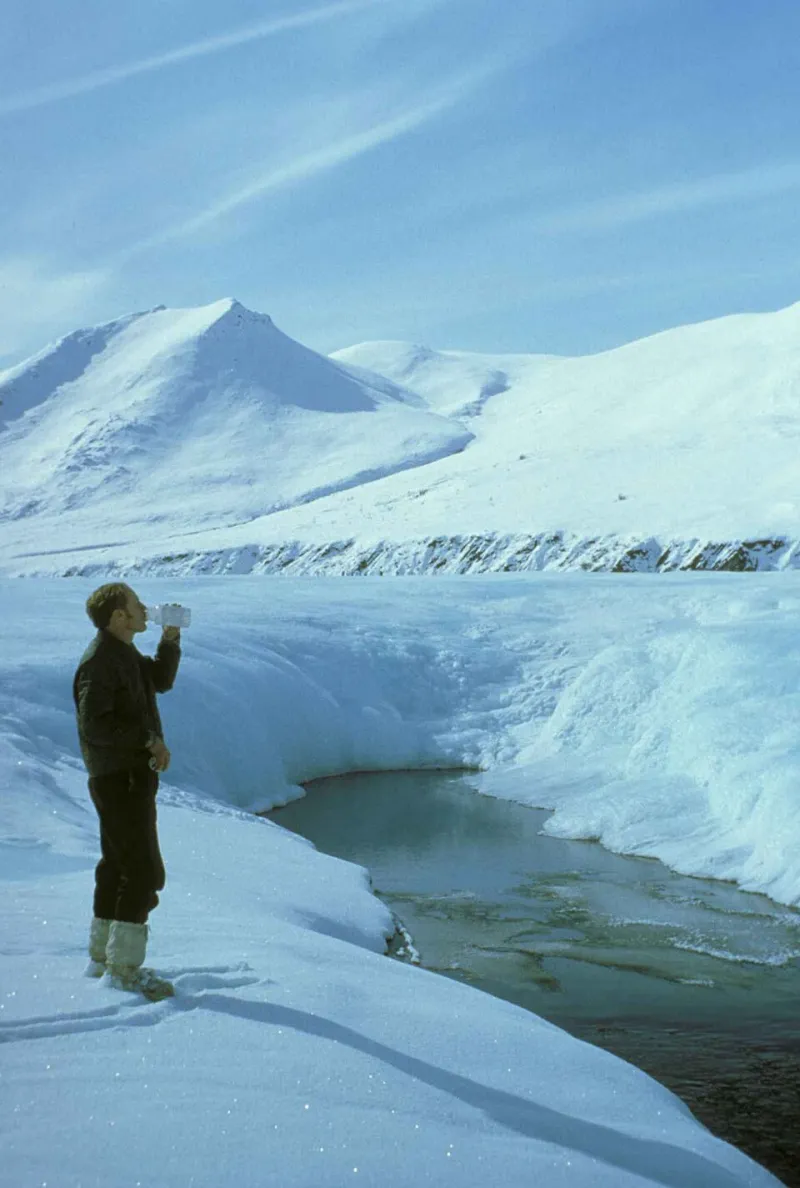
Photo: U.S. Fish and Wildlife Service, Public domain, via Wikimedia Commons
Anyone who's ever cracked open a pre-roll at a Rocky Mountain trailhead has a story. The wind's sharp, the views are absurd, and somewhere around the second hit, things get noticeably more interesting than they would back home at sea level. Veteran consumers who visit Denver from the coasts learn this lesson fast. But the question that keeps rattling around campfires and dispensary counters alike is a surprisingly serious one: what is actually happening to your body up there?
The answer turns out to be a genuine mix of measurable biology, a little atmospheric chemistry, and yes — a healthy dose of expectation. Let's break it all down.
First, the Basics: What Changes Above 10,000 Feet
The atmosphere doesn't suddenly transform the moment you crest a mountain ridge, but the cumulative effects of altitude become hard to ignore somewhere between 8,000 and 10,000 feet above sea level. The key change isn't that there's less oxygen in the air — the percentage of oxygen in the atmosphere stays right around 21% whether you're in Miami or Moab. What changes is barometric pressure, which drops significantly as you climb.
Lower barometric pressure means each breath you take delivers fewer oxygen molecules to your lungs. Your blood oxygen saturation can dip noticeably, especially in the first 24 to 72 hours before your body starts compensating. Your heart rate ticks up, your breathing gets shallower without you realizing it, and your brain — which is an oxygen hog under the best circumstances — starts working with a slightly reduced supply.
This is the physiological foundation of altitude sickness, and it's also the physiological foundation of why your edible hit harder than expected on that ski trip to Breckenridge.
How Reduced Oxygen Amplifies Cannabinoid Effects
Here's where it gets genuinely interesting. THC and other cannabinoids interact primarily with your endocannabinoid system, which is deeply integrated with your central nervous system. Your brain, already running a little leaner on oxygen at altitude, becomes measurably more sensitive to psychoactive compounds.
Several researchers studying altitude physiology have noted that cerebral blood flow actually increases at high elevation as your body tries to compensate for lower oxygen delivery. More blood moving through the brain means cannabinoids can reach neural tissue more efficiently. Think of it like upgrading from a dirt road to a freshly paved highway — the THC gets where it's going faster and with less friction.
Simultaneously, your cardiovascular system is already working harder. Cannabis — particularly smoked or vaped cannabis — causes a temporary spike in heart rate. Stacking that effect on top of an already-elevated resting heart rate at altitude creates a compounded response that can feel significantly more intense than the same dose at sea level.
The Metabolism Factor Nobody Talks About Enough
Altitude also messes with how your body processes substances. Research on alcohol metabolism at high elevation has shown that the liver and metabolic pathways respond differently when the body is in an oxygen-reduced state. While cannabis metabolism hasn't been studied with the same rigor in high-altitude contexts, the underlying biochemistry suggests a similar dynamic is at play.
Your liver enzymes — specifically the CYP450 family responsible for breaking down THC — may operate at reduced efficiency when your body is stressed by hypoxic conditions. That means THC could linger in your bloodstream longer than you're used to, extending and deepening the experience well past what your usual timing would suggest.
For edible consumers, this is especially relevant. Edibles already have unpredictable onset windows. Add altitude metabolism changes into the equation, and you've got a recipe for being much higher, much longer, than you planned.
But Wait — Is Some of This Just in Your Head?
Honestly? Yes. And that's not a dismissal — it's actually fascinating.
Expectation and environment are powerful modulators of the cannabis experience. Psychologists call this the set and setting principle, and it's been validated repeatedly in clinical research. When you're standing at 11,000 feet with panoramic mountain views, cold clean air in your lungs, and the genuine physical sensation of altitude affecting your body, your brain is primed to interpret every stimulus as more vivid and more significant.
The slight lightheadedness of altitude feels indistinguishable from early cannabis onset. The euphoria of being in a genuinely spectacular place amplifies whatever mood the cannabis is already cultivating. Your senses are sharper because you're paying attention differently than you do in your living room.
So yes, part of the mountain high is psychological — and that's not a bug, it's a feature. The experience is real even when the mechanism is perceptual rather than purely pharmacological.
Practical Tips for Consuming at High Altitude
None of this means you should avoid cannabis at elevation — it just means you should approach it with a little more intention than usual. Here's what we'd recommend:
Start significantly lower than your usual dose. If you typically take 10mg of an edible, try 5mg at altitude. If you usually smoke a full joint, start with half. Give yourself room to adjust before deciding you need more.
Hydrate aggressively. Altitude dehydration is real and it compounds every other effect. Dry mouth, already a cannabis staple, becomes more pronounced. Drink water before, during, and after consumption.
Give your body 48 hours to acclimate before consuming heavily. The first two days at altitude are when your physiology is most disrupted. If you can, ease into consumption and let your cardiovascular system settle before going big.
Be cautious with smoked and vaped products specifically. Your lungs are already working harder to extract oxygen from thinner air. Adding smoke or vapor into that equation stresses the respiratory system more than it would at lower elevation. Edibles and tinctures sidestep this issue entirely, though the metabolism caveat above still applies.
Know the signs of altitude sickness — headache, nausea, dizziness, and shortness of breath — and don't confuse them with cannabis effects. If you feel genuinely unwell, descend and hydrate before consuming anything else.
Travel with a buddy who knows your baseline. The mountains are spectacular but they're not the place to experiment alone with unfamiliar doses.
The Misty Mountain Takeaway
The altitude paradox is real, it's measurable, and it's also beautifully layered with the kind of experiential richness that only the mountains can provide. Your body chemistry shifts, your brain becomes more receptive, and the environment itself becomes a collaborator in the experience. That's not a warning — it's an invitation to be thoughtful.
The peaks reward preparation. Know your body, respect the elevation, start low, and let the mountain do what it does best. The view from 10,000 feet is already extraordinary. You don't need to overdo it to feel the magic.