Why That 18% Flower Wrecked You on the Mountain (And Your 28% Cart Didn't Back Home)
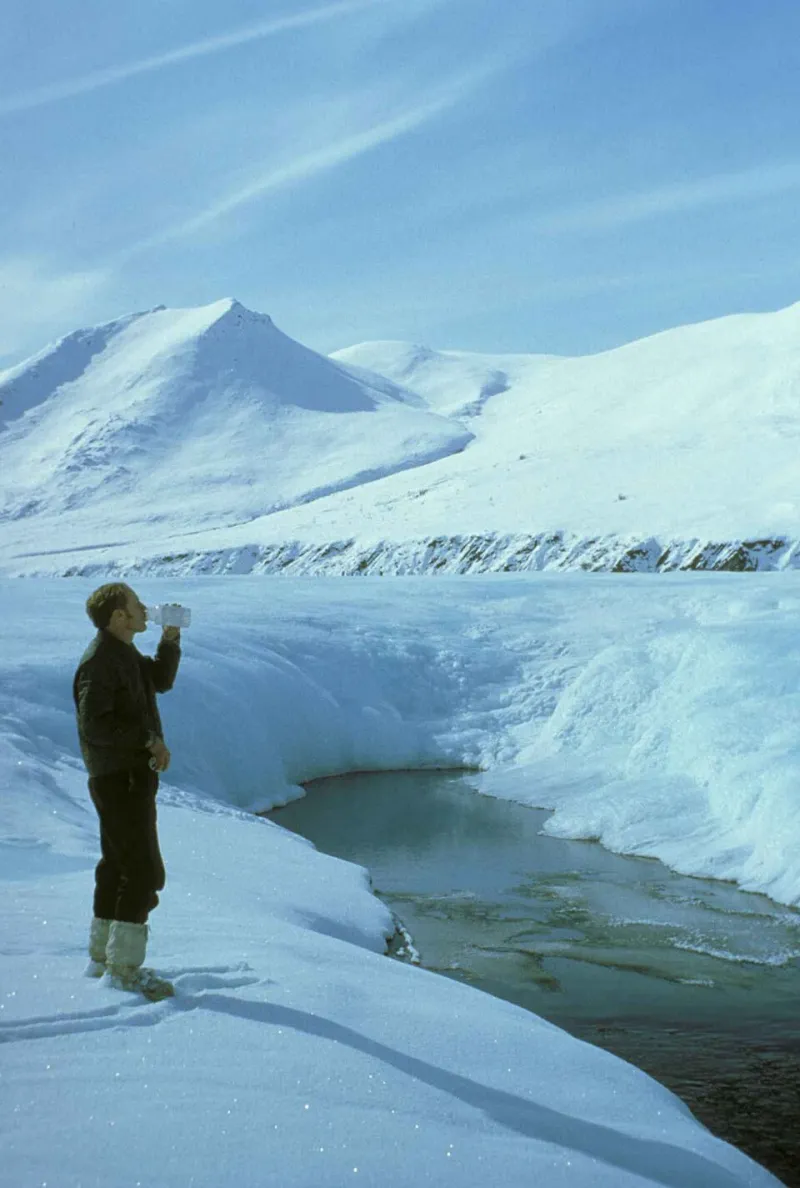
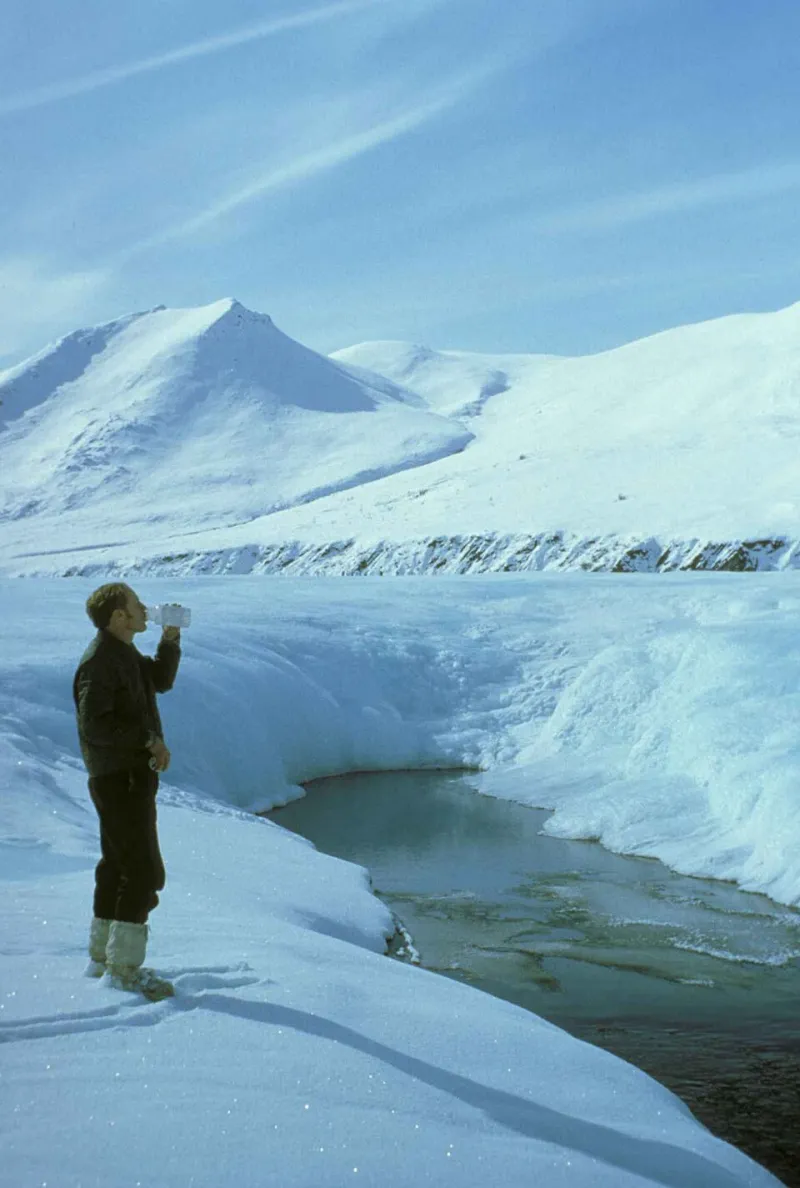
Photo: U.S. Fish and Wildlife Service, Public domain, via Wikimedia Commons
Let's set a scene. You're a seasoned consumer. You know your tolerance, you've dialed in your preferred strains, and you packed what you thought was a "moderate" option for a weekend trip to a Colorado trailhead sitting somewhere north of 9,000 feet. Fast forward two hours: you're cross-legged on a boulder, convinced you can hear the wind thinking.
Welcome to the altitude paradox — the deeply counterintuitive reality that lower THC percentages can absolutely floor you at elevation while that same product barely registers at sea level. If you've experienced this firsthand, you're not imagining things. There's legitimate physiology behind what happened to you up there, and understanding it might just save your next mountain adventure.
Your Lungs Are Working Overtime (And So Is the THC)
First, a quick refresher on what altitude actually does to your body. As you climb, barometric pressure drops. The air isn't technically "thinner" in terms of oxygen percentage — it's still about 21% oxygen — but each breath delivers fewer oxygen molecules because the air itself is less dense. Your body responds by breathing faster and more deeply, trying to compensate.
Here's where it gets interesting for cannabis consumers: that increased respiratory effort means you're drawing smoke or vapor deeper into your lungs with greater efficiency. Your alveoli — the tiny air sacs responsible for gas exchange — are working harder and pulling more aggressively from each breath. The result? Cannabinoids, including THC, get absorbed into your bloodstream faster and more completely than they would at lower elevations.
Think of it like a sponge that's been wrung out and is desperately thirsty. Your oxygen-hungry lungs at altitude are primed to absorb whatever you give them, and THC is along for the ride.
Reduced Oxygen Changes How Your Brain Processes the High
The absorption piece is only half the story. Once THC hits your bloodstream and crosses into your brain, it's operating in a neurological environment that's already been subtly altered by hypoxia — the mild oxygen deficiency that most people experience above 8,000 feet or so.
Hypoxia affects cerebral blood flow and can amplify the psychoactive effects of substances by changing how neurotransmitters behave. Your CB1 receptors, the primary targets of THC in the brain, may respond differently when your brain is already in a slightly altered physiological state. Essentially, the neurological baseline has shifted before you even take a hit.
Research into hypoxia and psychoactive substances is still developing, but what we do know is that alcohol hits measurably harder at altitude — and cannabis appears to follow a similar pattern, even if the mechanisms aren't perfectly mapped yet. Anecdotal evidence from mountain communities and high-altitude travelers is remarkably consistent on this point.
The Bioavailability Equation Nobody Talks About at the Dispensary
When you buy a product and see "28% THC" on the label, that number reflects what's in the product — not what actually reaches your endocannabinoid system. Bioavailability is the percentage of a substance that enters circulation and produces an active effect. For smoked cannabis, bioavailability estimates typically range from 10% to 35%, depending on inhalation technique, lung capacity, and individual metabolism.
At altitude, that bioavailability range shifts upward. Deeper, more efficient inhalation combined with a primed cardiovascular system means a larger fraction of that THC is actually making it into your bloodstream. So your 18% flower, consumed through deeper altitude-driven breaths, might deliver more effective THC to your system than your 28% cartridge hit casually at home.
Add to that the fact that many high-altitude consumers are also mildly dehydrated (elevation accelerates moisture loss through respiration), and dehydration itself can intensify psychoactive effects. The variables stack up fast.
The Entourage Effect Gets Amplified Too
Here's something that doesn't get discussed nearly enough: it's not just THC that's more bioavailable at altitude. Every cannabinoid and terpene in that flower is getting the same efficient delivery treatment. That means the full spectrum of compounds — CBD, CBG, minor cannabinoids, and aromatic terpenes like myrcene and linalool — are all showing up to the party in greater concentrations.
This matters because the entourage effect, the synergistic interaction between cannabis compounds, is dose-dependent. At sea level, you might not feel the sedative lean of myrcene much because only a fraction of it is absorbed. At 10,000 feet, that same terpene profile hits with noticeably more weight. A strain that feels energetic and cerebral at your apartment might feel deeply relaxing and introspective on the ridge. Same flower, completely different experience.
Practical Dosing Strategies for High-Altitude Consumption
None of this is meant to scare you off. Cannabis and mountain environments are a genuinely beautiful combination when approached thoughtfully. The key is recalibrating your expectations before you're sitting on that boulder questioning reality.
Start significantly lower than you think you need to. If you'd normally take three to four hits to feel right at home, try one or two and wait a full 15 to 20 minutes before reassessing. The onset can feel delayed because your cardiovascular system is already working hard.
Choose lower THC products intentionally. This is one situation where that 16% to 20% flower is genuinely the smarter call. Pair it with a solid CBD presence to add some natural ceiling to the experience.
Hydrate aggressively. Drink water before you consume, not just after. Dehydration is a multiplier you can actually control.
Know your elevation. There's a meaningful difference between 5,000 feet and 12,000 feet. If you're above 8,000 feet and haven't spent several days acclimatizing, treat every session like it's your first time. Your body simply isn't operating at its sea-level baseline.
Avoid consuming right after strenuous activity. Your heart rate is already elevated, your lungs are taxed, and your blood oxygen is likely at its lowest point of the day. That's a recipe for an overwhelming experience.
The Bigger Lesson: Lab Numbers Are Just the Starting Point
The altitude paradox is a perfect illustration of why chasing high THC percentages as a proxy for potency is fundamentally flawed thinking. Potency isn't a number on a label — it's the interaction between what's in the product, how it's consumed, and the physiological state of the person consuming it. Environment is a massive variable that most of us underestimate.
Up here in the misty peaks, the mountain has its own chemistry. Respect it, account for it, and you'll find that some of the most transcendent experiences come from the most unassuming little jar of flower you almost left at the shop because the THC percentage "wasn't high enough."
The summit doesn't care about your lab numbers. It just wants you to show up humble.