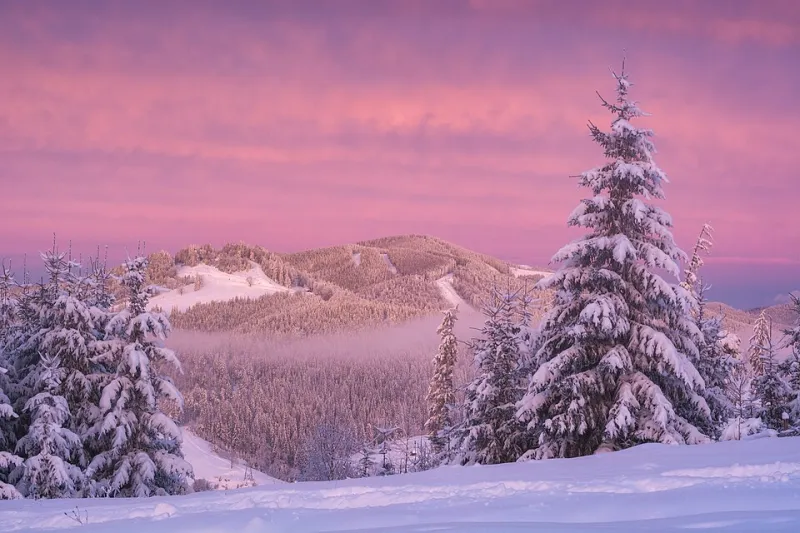
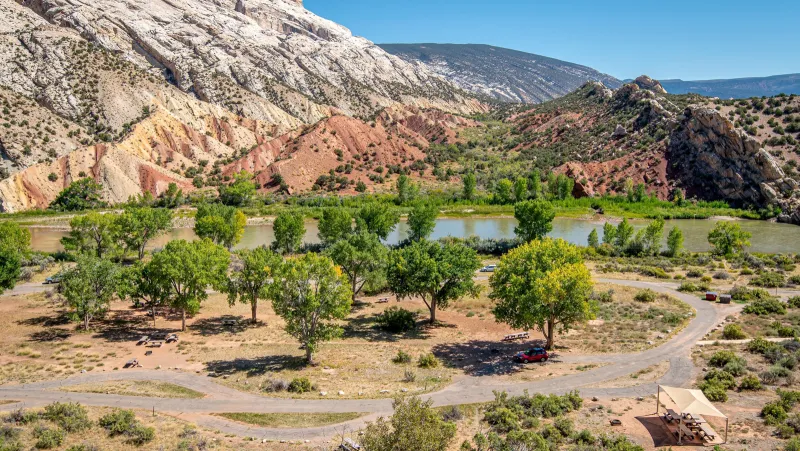
The 8,000-Foot Serving Spoon: Rethinking Your Edible Dose Above the Tree Line
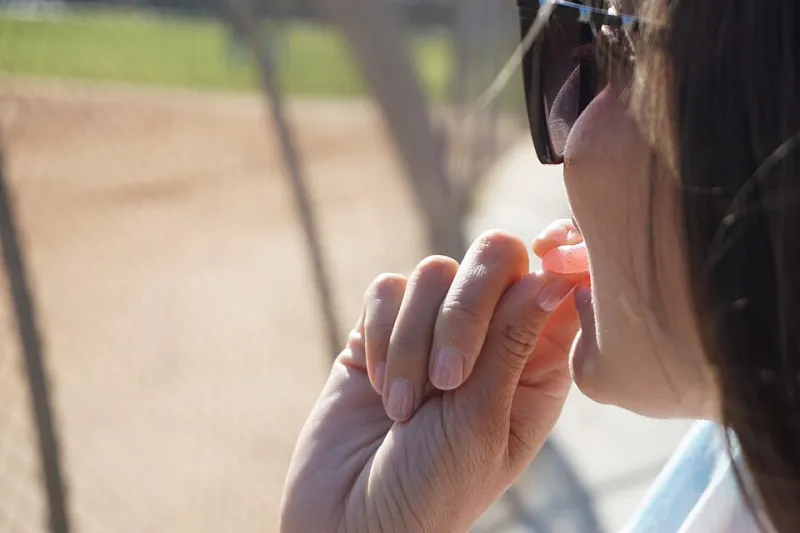
Photo: Elsa Olofsson, CC BY 2.0, via Wikimedia Commons
At sea level, a 10 mg gummy is a known quantity: a gentle swing, a predictable landing. Then you haul that same package up to a cabin at 8,000 feet, split it with a friend, and suddenly the floor feels like it is tilting. The edible did not change. The mountain did.
That is the short version. The longer version involves oxygen, digestion, liver enzymes, hydration, and the very mountain-specific habit of forgetting to eat dinner because the view was too good. At Misty Mountain Canna, we are not here to scare anyone away from edibles at elevation. We are here to help you dose with a little more mountain sense.
The edible is not the same edible up high
Most edibles work through a simple enough route: you eat them, your digestive system absorbs the cannabinoids, and your liver converts THC into 11-hydroxy-THC, a metabolite that tends to feel stronger and longer-lasting than inhaled THC. That process is already why edibles can sneak up on people at sea level. At altitude, a few extra variables join the party.
First, lower oxygen availability can make your body work harder without you noticing. You may be mildly dehydrated, a little sleep-deprived from the drive up, and more sensitive to anything that shifts your heart rate or perception. None of that automatically makes an edible stronger, but it can make the experience feel more intense. Set and setting are not just therapy-speak; they are chemistry-adjacent.
Second, digestion can slow down at elevation. Some people experience reduced appetite, sluggish digestion, or mild nausea on the first day at a new altitude. If your edible sits in your stomach longer, the onset may stretch out. That can create a trap: you feel nothing at 45 minutes, take another dose, and then both servings arrive at once like a landslide.
Third, hydration matters more than most of us admit. Dry mountain air pulls moisture from your body with every breath. Dehydration can amplify dizziness, dry mouth, and anxiety, which can make a high feel edgier than it would back home. Drink water before, during, and after. Not so much that you are running to the bathroom every ten minutes, but enough that your body is not working from a deficit.
What we do and do not know
Here is the honest part: there is no large clinical trial called The Effects of 10 mg THC at 8,000 Feet. Most of what we know comes from physiology, consumer reports, and the collective experience of mountain dispensary staff who have talked a lot of people down from a too-strong edible. The altitude-edible connection is real enough to respect, but it is not a simple multiplier. Your 10 mg gummy does not literally become 25 mg. It may feel stronger because of how your body is processing it in that environment.
That distinction matters. It means the answer is not to panic and swear off edibles above the tree line. It means you should treat altitude as another variable, like tolerance, food, and whether you have been hiking for six hours.
A mountain dosing cheat sheet
Use this as a starting point, not a prescription. Everyone is different, and legal cannabis products vary in potency and labeling accuracy.
- If you are new to edibles or new to this altitude, start with 2.5 to 5 mg. Yes, that is a small amount. That is the point.
- If you are an experienced edible user at sea level, consider taking 50 to 75 percent of your usual dose for your first mountain session. You can always add more on another day.
- Wait at least two hours before redosing. Set a timer. Do not trust the vibe check.
- Eat something before or with your edible. A empty stomach can make onset unpredictable, and mountain activities already burn energy.
- Keep water nearby and skip alcohol. Mixing the two at elevation is a reliable way to turn a pleasant evening into a cabin-floor seminar.
- Have CBD available. Some people find it helps take the edge off a too-intense high, though it is not a magic off switch.
Warning signs worth taking seriously
A strong edible is not automatically an emergency, but it is worth knowing when to stop pushing. Watch for racing heart, nausea, shaking, confusion, intrusive thoughts, or a feeling that you cannot catch your breath. If you feel disoriented or have chest pain, seek medical help. Do not drive. Do not wander off into unfamiliar terrain. Sit somewhere safe, hydrate, breathe slowly, and tell someone nearby what you took and when.
The mountain is not the place to tough out a bad edible alone. Cabin walls are thin, and altitude is not impressed by your tolerance.
Enjoy the ride, not the rocket launch
The best mountain edible experience is usually a moderate one: a low dose, a good meal, a clear schedule, and a view that does not require you to operate heavy machinery. Save the heroic doses for sea level, or at least for a day when you are not adjusting to thin air. The peaks are better when you can actually enjoy them.
Here at Misty Mountain Canna, we would rather sell you a smaller edible and a better evening than a big story about the night you became one with the cabin rug. Dose low, wait long, drink water, and let the mountain set the pace.