Morning After the Summit: What's Actually Happening to Your Body When the Mountain High Fades
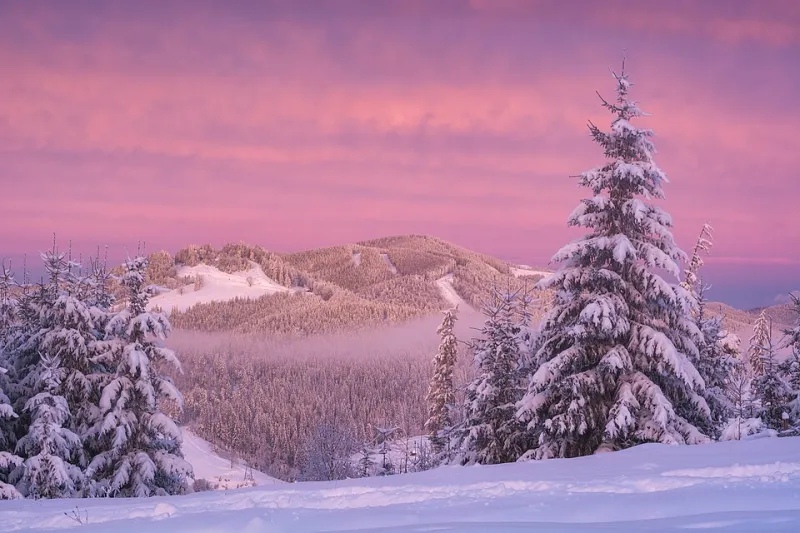
Photo: Vitalii Bashkatov, CC BY-SA 4.0, via Wikimedia Commons
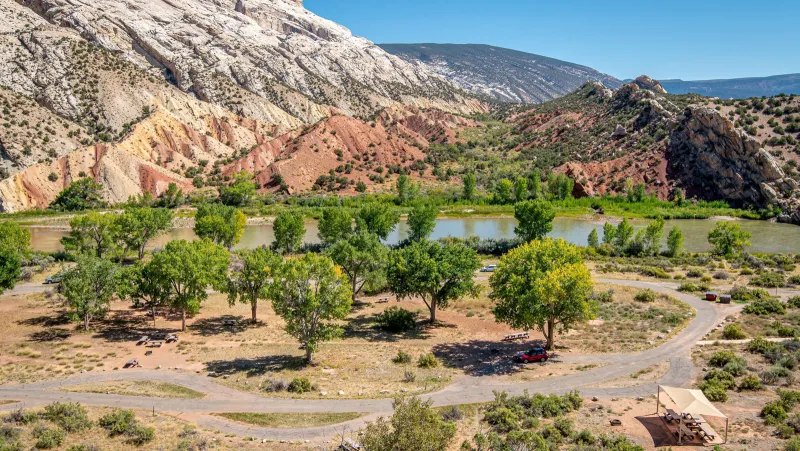
You wake up somewhere above 8,000 feet. The air coming through the tent flap or the cracked cabin window is cold and sharp. Your mouth feels like you've been chewing pine bark all night, your head has that familiar low-grade fuzziness, and yet — somehow — you feel kind of okay? Maybe even better than okay?
If you've ever spent a night in the mountains after a proper cannabis session and noticed the morning-after feeling was different from what you'd experience back in the city or at sea level, you're not imagining things. There's actual physiology behind that impression, layered on top of the usual post-cannabis biology. Let's unpack what's going on when your body processes cannabinoids in thin, cold, mountain air — and figure out how much of the "cleaner mountain comedown" reputation is grounded in science versus wishful thinking from people who really love camping.
What a Cannabis Hangover Actually Is
First, a quick baseline. The cannabis hangover — that next-morning fog, mild headache, dry mouth, and occasional low-energy drag — is a real, documented phenomenon, even if it's less studied than its alcohol counterpart. Research suggests residual cannabinoid activity, disrupted REM sleep architecture, and lingering effects on the endocannabinoid system all contribute. THC and its metabolites don't vanish the moment you fall asleep; they continue interacting with receptors in ways that can leave your cognition feeling slightly smudged the next morning.
Dehydration is also a major player. Cannabis suppresses saliva production and has mild diuretic properties, meaning you wake up depleted even if you didn't touch a drop of alcohol.
Now add elevation to that equation, and things get genuinely interesting.
The Dehydration Multiplier at Altitude
Here's the part that catches most mountain visitors off guard: you lose water significantly faster at elevation, even when you're just sitting still. The air above 7,000 or 8,000 feet is drier and thinner, which means every breath you exhale carries more moisture than it would at sea level. Add increased respiration rates (your body's attempt to compensate for lower oxygen availability), physical activity from hiking or skiing, and cannabis-induced dry mouth, and you've got a dehydration trifecta.
Waking up at altitude after a session without having hydrated aggressively the night before? Your headache and grogginess are almost certainly more dehydration-driven than cannabinoid-driven. The good news is that this is one of the most correctable variables in the whole equation. The less good news is that most people don't realize how severely they're under-hydrated until the next morning.
Practical move: electrolyte drinks — not just plain water — before sleep can make a genuinely noticeable difference. The dry mountain air depletes sodium and potassium alongside fluids, and plain water alone won't fully rehydrate you at speed.
Oxygen, Metabolism, and Why Your Body Processes THC Differently Up Here
This is where the science gets a little more nuanced and, frankly, a bit murkier. THC is primarily metabolized by the liver through cytochrome P450 enzymes, particularly CYP2C9 and CYP3A4. These processes are oxygen-dependent at the biochemical level. At altitude, your blood oxygen saturation drops — sometimes meaningfully, especially for unacclimatized visitors — which theoretically could slow hepatic metabolism of cannabinoids.
Slower metabolism means THC and its active metabolite 11-hydroxy-THC might linger in your system longer. This could explain both why mountain highs seem to stretch out and why some users feel a more prolonged, lower-grade residual effect the next morning rather than a sharp, unpleasant crash.
There's a flip side to this, though. Some researchers and high-altitude medicine specialists point out that the body ramps up certain compensatory processes at elevation — increased red blood cell production over time, adjusted breathing patterns, upregulated cardiovascular response — that may actually support more efficient clearance once you're acclimated. Long-term mountain residents often report that their bodies handle cannabis very differently than they did when they first arrived, which tracks with broader acclimatization physiology.
The honest answer is that the specific interaction between altitude-adjusted metabolism and cannabinoid processing hasn't been studied with anything close to clinical rigor. We're working from first principles and a lot of anecdotal consistency. But the anecdotal consistency is pretty compelling.
The Cold Air Factor: Inflammation, Vasoconstriction, and Surprisingly Good News
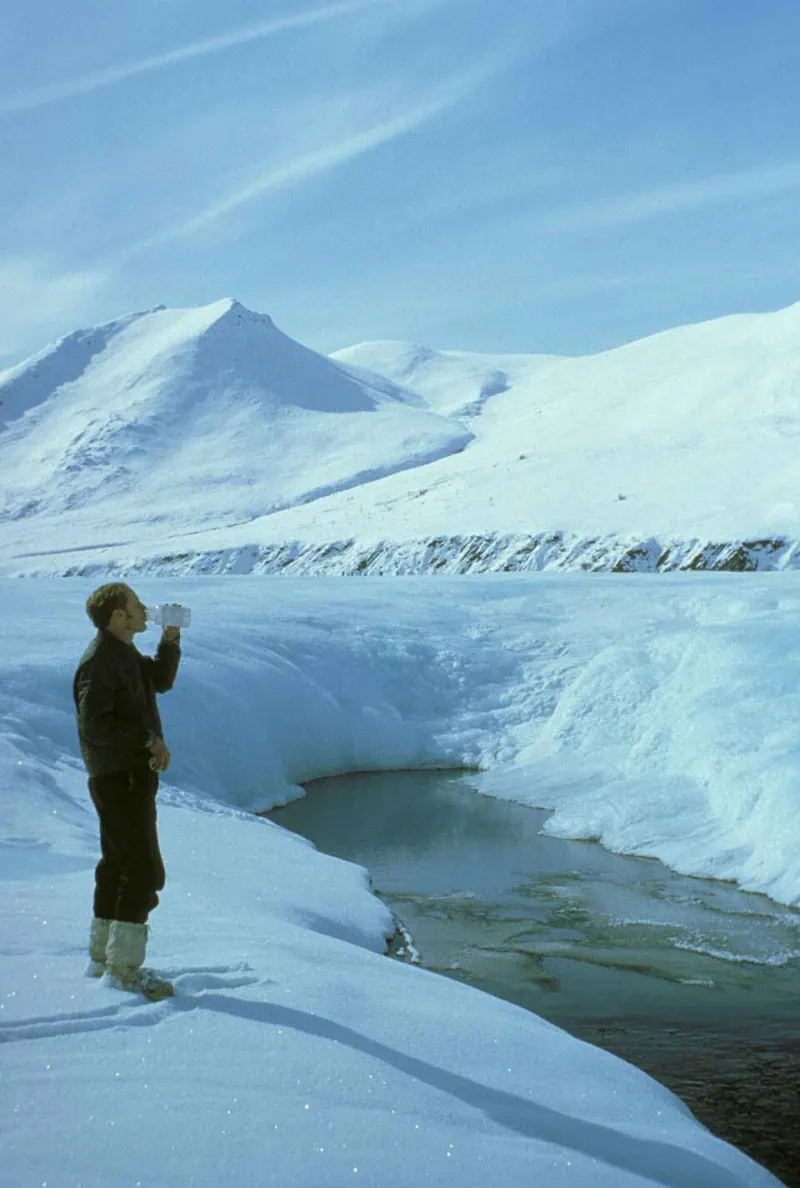
Mountain mornings are cold. That's not a bug — it might actually be a recovery feature. Cold air and cooler ambient temperatures promote mild vasoconstriction, which can reduce the kind of vascular headache that sometimes accompanies cannabis use (particularly with high-THC concentrates that cause pronounced vasodilation). Stepping outside into 45-degree mountain air and taking a few deep, cold breaths isn't just cinematic — it genuinely signals your cardiovascular system in ways that can help clear that morning fog faster.
Cold also tends to sharpen alertness through norepinephrine release, which counteracts some of the residual cannabinoid sedation. A brisk walk in mountain air — even just ten minutes — hits differently than shuffling around a warm apartment, and the physiological reasons are real.
Sleep Quality at Altitude: The Hidden Variable
Here's something most people don't factor in: altitude genuinely disrupts sleep, especially in the first few nights after arrival. Reduced oxygen levels can trigger something called Cheyne-Stokes respiration — a pattern of irregular breathing during sleep that fragments your rest even when you're not aware of it. Cannabis, particularly higher doses, also suppresses REM sleep.
Stack these two sleep disruptors together and you might wake up feeling more tired than expected, even if you logged eight hours. This can masquerade as a cannabis hangover when it's really an altitude-sleep issue. The fix here is time — acclimatization genuinely improves sleep quality over several days — plus keeping your session lighter than you might at home, especially until your body has adjusted.
So Is the "Cleaner Mountain Comedown" Real?
Honestly? Partially. The mountain environment does offer real physiological advantages for recovery: cold air that supports vascular rebound, natural light that resets circadian rhythm faster, cleaner air quality that supports respiratory function, and the psychological reset of a genuinely beautiful morning. These aren't nothing.
But the mountain environment also stacks the dehydration deck against you and can complicate sleep in ways that mimic or amplify post-cannabis grogginess. The users who report a cleaner morning-after experience are often the ones who've figured out — consciously or not — how to work with the mountain environment rather than against it.
Your Mountain Morning-After Protocol
If you want to wake up feeling as good as the view you're looking at, here's what the science actually supports:
- Hydrate with electrolytes before sleep — not just water. Coconut water, a Liquid IV packet, or even a light sports drink works.
- Dose lighter than you would at sea level — the altitude-enhanced effect means you need less to get where you're going, and less means less residual the next morning.
- Get outside early — cold air, natural light, and movement are your three best recovery tools and they're all free and abundant in the mountains.
- Eat something substantial — your metabolism has been working overtime just keeping you warm and oxygenated. Fuel it.
- Give yourself acclimatization time — the first two nights at elevation are the hardest. By night three or four, most of the altitude-sleep disruption has significantly reduced.
The mountains have a way of making everything feel a little more vivid — including the recovery. Lean into it.