Why the Mountain High Lingers: The Science Behind Cannabis Sessions That Seem to Last Forever at Elevation
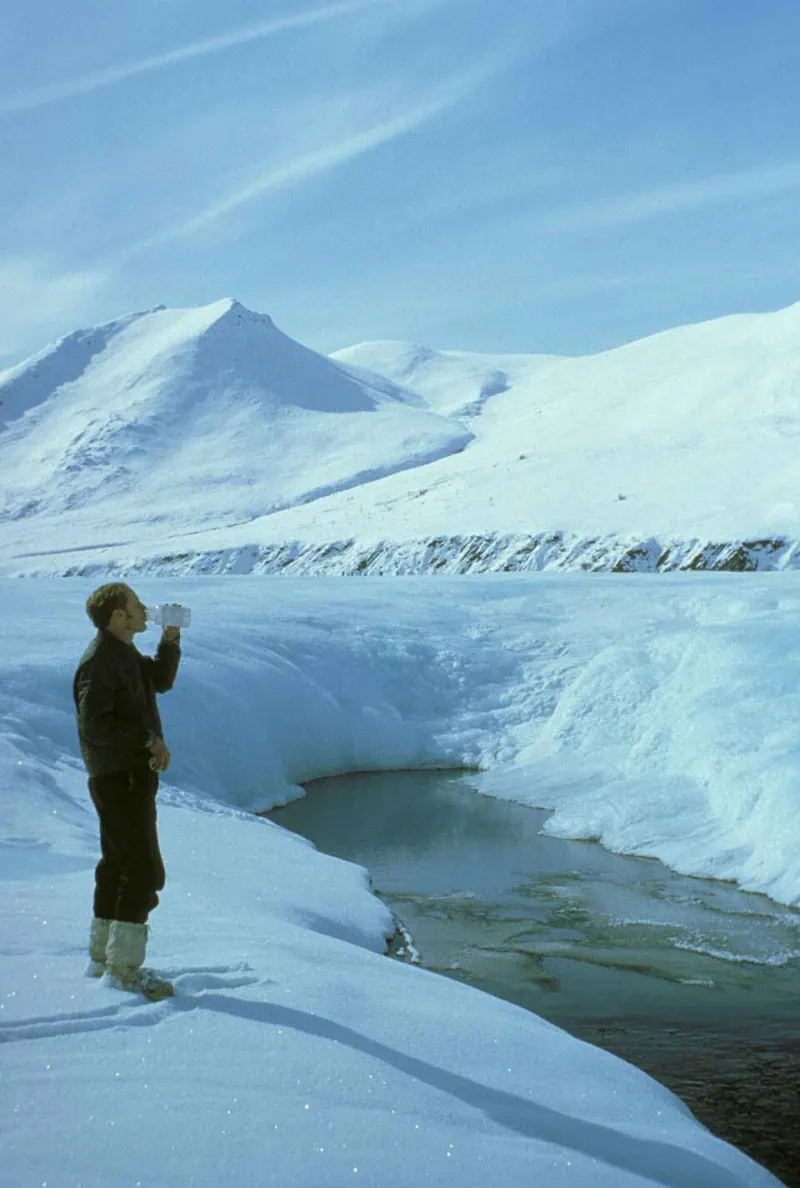
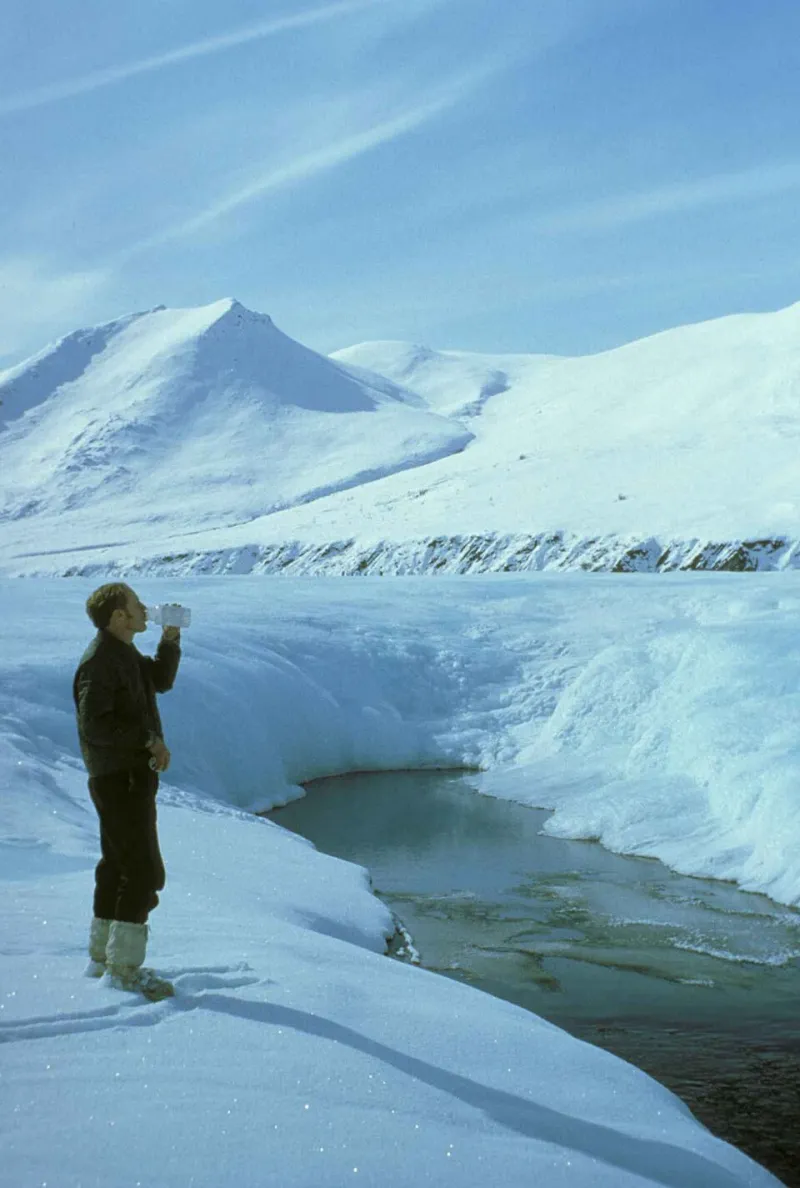
Photo: U.S. Fish and Wildlife Service, Public domain, via Wikimedia Commons
You packed the same pre-roll you've been smoking for months. Same strain, same dispensary, same everything. But somewhere around mile three of the trail—maybe just after cresting that ridge where the valley opens up and the whole world drops away below you—it hits different. Not just stronger. Longer. Hours later, back at the campsite with a bowl of instant ramen cooling in your hands, you're still feeling it. Still floating.
This isn't a fluke, and it's not just the scenery messing with your head. The altitude afterglow is a real, physiologically grounded phenomenon, and once you understand what's actually happening inside your body up there, you'll never look at a mountain sesh the same way again.
Your Blood Is Working Overtime (And That Changes Everything)
Let's start with the basics. At higher elevations—say, anywhere above 6,000 or 7,000 feet—the air contains the same percentage of oxygen as at sea level (roughly 21%), but the atmospheric pressure is lower. That means each breath you take delivers fewer oxygen molecules to your lungs. Your body, being the adaptive marvel that it is, compensates in a few key ways: your heart rate increases, your breathing deepens, and over time your body begins producing more red blood cells to carry whatever oxygen it can grab.
But here's the kicker for cannabis consumers: that reduced oxygen availability—called hypoxia in its more extreme forms, or simply altitude-induced oxygen desaturation in milder cases—affects how your brain processes everything, including the compounds flooding in from your last hit. Your cerebral blood flow actually increases at altitude as your body tries to keep your brain well-oxygenated. More blood moving through the brain means cannabinoids like THC have more opportunities to bind with CB1 receptors, and potentially at a faster, more saturated rate.
In plain English? The delivery system gets more efficient, and the effects can set in harder and stick around longer.
Metabolism Slows Down (Even When You're Moving)
Here's a counterintuitive one. You're hiking, your legs are burning, your lungs are pumping—you feel like a machine. But your metabolic processing of cannabinoids may actually slow down at elevation, particularly in the liver's cytochrome P450 enzyme system, which is responsible for breaking down THC into its metabolites.
Some research on high-altitude physiology suggests that hepatic (liver) blood flow can be modestly reduced at altitude as your body prioritizes circulation to the heart, lungs, and brain. If your liver is processing THC even slightly more slowly than usual, the active compound stays in your bloodstream longer before being converted into less psychoactive metabolites. The result: that mellow wave doesn't crash as quickly as you're used to.
This is a subtle effect and varies person to person, but it's one credible piece of the puzzle explaining why the mountain high has a reputation for hanging around well past its usual welcome.
The Dehydration Factor Nobody Talks About
Elevation is brutally dehydrating. The air is drier, you're breathing harder, and sweating more even when temperatures are cool. Most hikers and campers are at least mildly dehydrated by the time they sit down for an evening session—and dehydration has a well-documented effect on how your body metabolizes substances.
When you're running low on fluids, your blood volume decreases slightly. That means a given amount of THC is distributed through a smaller fluid volume, effectively concentrating its presence in your system. Think of it like dropping the same amount of dye into a smaller glass of water—the color gets more intense. Dehydration also affects kidney filtration rates, which can slow the overall clearance of cannabinoids from your body.
The fix is simple: drink water. Seriously, aggressively hydrate before and during any mountain cannabis session. Not just for safety, but because understanding this mechanism helps you control the experience rather than being surprised by it.
Does It Actually Last Longer, or Does Time Just Feel Different?
Fair question. The perception of time is genuinely altered both by cannabis and by the particular kind of awe-induced mindfulness that comes with being in a stunning natural environment. Psychologists have documented something called the "awe effect"—a state of expanded present-moment awareness triggered by experiences that feel vast or transcendent. Mountains do this to people. Cannabis does this to people. Together, they create a kind of temporal distortion where an hour can feel like an afternoon.
So is the mountain high objectively longer, or does it just feel that way?
Honestly? Probably both, and the distinction matters less than you'd think. The physiological mechanisms we've described—altered cerebral blood flow, potential metabolic slowdown, dehydration-related concentration effects—are real and measurable. But the subjective experience of duration is also meaningfully extended by the mental state elevation creates. Your brain isn't clock-watching when it's busy processing a panoramic view of a mountain range painted in sunset colors.
User reports from cannabis communities consistently describe the same pattern: sessions at altitude producing effects that linger well beyond what the same product delivers at sea level. Anecdote isn't clinical data, but when the anecdotes pile up and the physiology supports them, it's worth taking seriously.
Practical Takeaways for Your Next Summit Session
Understanding the altitude afterglow isn't just academically interesting—it should shape how you plan and dose on the mountain.
Start lower than you think you need to. The combination of enhanced absorption and slower metabolism means your usual dose is effectively a larger dose up here. Give yourself time between hits and let the effects fully develop before going back for more.
Time your session intentionally. If you know the high is going to stretch out, plan accordingly. An afternoon session that would typically wind down by dinner might carry you well into the evening. That can be magical—or it can be inconvenient if you've got a technical descent ahead of you.
Hydrate like it's your job. Drink water before, during, and after. This helps moderate the dehydration-related concentration effect and keeps you safer overall at elevation.
Choose your product wisely. Edibles and concentrates, which already tend to produce longer-lasting effects at sea level, can become genuinely extended experiences at altitude. First-time mountain consumers should probably stick to flower, where effects are more immediate and controllable.
Respect the comedown. The afterglow is real, but so is the fatigue that follows a long day at elevation. Cannabis can mask early signs of altitude sickness and physical exhaustion. Pay attention to your body's signals beyond the high.
The Mountain Gives and the Mountain Takes Its Time
There's something almost poetic about the way high-elevation environments interact with cannabis—the same thin air that makes the stars look closer and the silence feel louder also stretches out the good feelings and softens the edges of the day. The mountain doesn't rush anything. It never has.
Knowing the science behind the altitude afterglow doesn't make it less magical. If anything, it makes it more impressive—a whole cascade of physiological adaptations, all working together to give you an experience that's genuinely different from anything you can manufacture at sea level. Respect it. Plan for it. And enjoy every last lingering minute of it.