Frost on the Leaves: A Mountain Grower's Survival Guide to High-Elevation Cannabis Cultivation
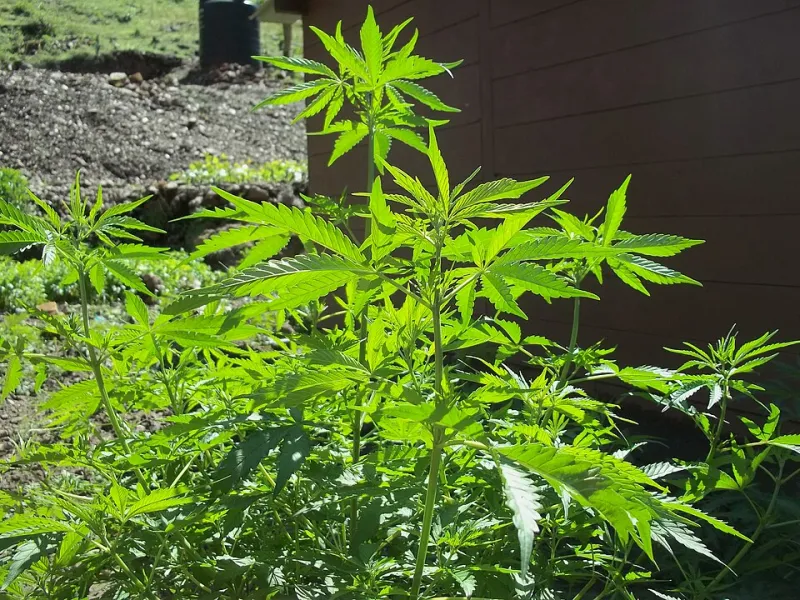
Photo: Subhashish Panigrahi, CC BY-SA 3.0, via Wikimedia Commons
There's something almost spiritual about tending a cannabis garden in the mountains. The air is clean, the soil is rich with mineral complexity, and the intense UV exposure at elevation pushes resin production in ways that flatland grows can rarely match. But the mountains are also unforgiving landlords. One rogue cold front — the kind that slides down from the Continental Divide without much warning — can turn a promising harvest into a soggy, frost-burned mess overnight.
If you've ever bought mountain-grown cannabis and wondered why it tastes so different, so alive, part of that answer lives in the adversity the plant endured to get there. And if you're thinking about growing your own at elevation — whether you're in the Colorado Rockies, the Sierra Nevada, the Cascades, or the Appalachian highlands — this guide is your starting point.
Understanding the Mountain Growing Calendar
The first thing elevation takes from you is time. In Denver (5,280 feet), your growing window is already compressed compared to Los Angeles. Push up to 7,000 or 8,000 feet and you might be looking at a last-frost date that stretches into late May and a first-fall-frost that can arrive as early as mid-August in some microclimates. That's a razor-thin window for a plant that typically needs 10–16 weeks of outdoor flowering time.
The fix isn't complicated, but it requires discipline: start early indoors. Most experienced mountain cultivators begin germination in late February or early March, keeping seedlings under grow lights until outdoor temps stabilize. By the time you're transplanting in late May or early June, you've already banked four to six weeks of vegetative growth that your neighbors starting from seed outdoors simply won't have.
Autoflowering strains sidestep some of this math entirely. Because they flower based on age rather than light cycle, autos can be dialed into a compressed schedule that fits even the tightest alpine window. More on that in a moment.
Choosing Strains That Actually Belong at Altitude
Not every cannabis variety was built for mountain life. Sativas with long, tropical lineages — the kind that want 14-plus weeks to finish — are setting you up for heartbreak above 6,000 feet. What you want are genetics that carry some cold-weather resilience in their DNA.
Indica-dominant and indica-hybrid strains tend to finish faster and handle temperature swings with more grace. Look for varieties with heritage from places like Afghanistan, Pakistan, or the Hindu Kush — mountainous regions themselves, where plants evolved to handle dramatic diurnal temperature shifts.
Autoflowering strains with ruderalis genetics are genuinely worth considering for high-elevation grows. Varieties like Zkittlez Auto, Northern Lights Auto, or any of the fast-finishing hybrids from breeders like FastBuds or Barney's Farm can go from seed to harvest in 70–85 days. That's a game-changer when your window is 90 days on a good year.
Mold-resistant cultivars deserve a special mention. Mountain mornings often bring heavy dew and dramatic humidity swings, which creates ideal conditions for botrytis (gray mold) — particularly devastating in dense, late-season buds. Strains bred for resistance, like Durban Poison, Haze-crosses with open bud structure, or purpose-bred mold-fighters like Frisian Duck, can save your harvest when the humidity rolls in.
Reading and Shaping Your Microclimate
Here's where mountain growing gets genuinely interesting. Elevation isn't uniform. A garden on a south-facing slope at 7,200 feet can behave like it's 500 feet lower than a north-facing plot just 200 yards away. Learning to read and manipulate your microclimate is one of the most valuable skills an alpine cultivator can develop.
South-facing slopes receive more direct sunlight and stay warmer later into the season — prioritize these if you have the option. Even a gentle 10–15 degree angle toward the south makes a measurable difference in soil temperature and plant vigor.
Thermal mass is your friend. Stacking rocks, concrete blocks, or even dark-painted water barrels around your garden beds absorbs heat during the day and radiates it back at night, softening those dangerous temperature dips. Some growers in the Colorado high country swear by black-painted 55-gallon water drums positioned on the north side of their plants — rudimentary, but genuinely effective.
Windbreaks matter more than most new growers realize. Cold wind accelerates moisture loss and can push plants into stress faster than temperature alone. A simple fence, a row of dense evergreens, or even strategically placed hay bales can drop your effective wind chill significantly and add a buffer of still, warm air around your canopy.
Frost Defense Tactics That Actually Work
Even with perfect planning, surprise frosts happen. Having a response toolkit ready isn't pessimism — it's just mountain wisdom.
Row cover fabric (also called floating row cover or frost cloth) is the single most useful tool in a mountain grower's arsenal. A layer of 1.5 oz fabric can protect plants down to about 28°F. Keep a roll on hand from August onward and check your forecast every evening. Draping it loosely over your canopy and securing the edges takes about ten minutes and can save weeks of work.
Low tunnels and hoop houses offer a more permanent solution. Even a simple PVC hoop structure covered with greenhouse plastic can extend your season by three to four weeks on either end — enough to make the difference between a full harvest and a half-finished one. Full walk-in greenhouses are the gold standard, allowing you to dial temperature and humidity regardless of what's happening outside.
Harvest timing is ultimately your last line of defense. Mountain growers learn to watch trichomes closely starting in late August and develop a feel for when to pull the trigger early rather than gamble on another week of ripening. A harvest at 85% amber trichomes is infinitely better than a frost-killed crop that never made it to 70%.
The Reward at the End of the Ridge
Growing cannabis in the mountains is harder than growing it at sea level. Full stop. The season is shorter, the weather is less predictable, and the consequences of a miscalculation are steeper. But the cannabis that survives — that fights through cold nights, intense UV, and thin air to push out dense, resinous flowers — carries something in it that's hard to replicate anywhere else.
When you pick up a jar of Colorado-grown flower or a pack of Washington State outdoor and it smells like pine sap and mountain air, that's not marketing. That's the plant telling you where it came from and what it endured. Understanding the cultivation challenges behind that product makes every session a little richer — and if you're growing your own, conquering those challenges makes the harvest feel like reaching the summit.
The mountain gives and it takes. Learn its rhythms, respect its moods, and it'll reward you with something genuinely extraordinary.