Peak Pairings: How to Match Your Cannabis Strain to Every Mountain Moment and Season
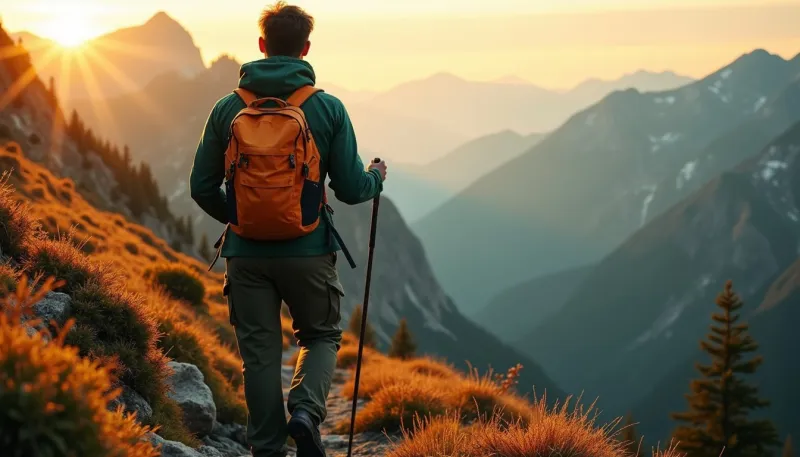
Photo: hiker resting on mountain summit with scenic alpine view at golden hour, via images.stockcake.com
There's a reason wine sommeliers exist. Pairing a bold Cabernet with a delicate piece of fish isn't just wrong — it's a missed opportunity. The same logic applies to cannabis. Reaching for whatever's in your stash without thinking about the experience ahead is like lacing up flip-flops for a backcountry scramble. It might work out, but you're leaving a lot on the table.
At Misty Mountain Canna, we believe cannabis is a companion, not just a product. And like any good trail partner, the right one depends entirely on where you're headed and what the mountain has in store for you.
Know Your Terpenes Before You Know Your Trail
Before we get into specific activities, it helps to understand what actually drives the experiential differences between strains. Cannabinoids like THC and CBD get most of the headlines, but terpenes — the aromatic compounds that give each cultivar its distinctive scent and character — are quietly running the show when it comes to mood, energy, and focus.
Myrcene tends toward sedation and body relaxation. Pinene is associated with alertness and memory retention (and smells exactly like the forest you're probably standing in). Limonene lifts mood and energy. Caryophyllene brings a grounding, anti-inflammatory quality that's genuinely useful after a long day on your feet. Get familiar with these, and you've got a compass for pairing.
Morning Hikes and Summit Pushes: Go Green and Go Light
If you're planning an early start — headlamp on, pack loaded, coffee still warm in your thermos — you want a strain that amplifies energy without cranking anxiety into the red. High-pinene, low-myrcene sativas or sativa-leaning hybrids are your friends here.
Think cultivars like Green Crack, Durban Poison, or Jack Herer — classic daytime companions that sharpen sensory awareness without making your legs feel like they're filled with wet sand. A microdose is almost always the move when elevation gain is involved. Remember, thinner air means effects can hit faster and harder (we've written about the altitude factor before), so err on the conservative side until you know how your body responds.
The goal on a summit push isn't to get blasted — it's to feel present. A light, energizing cultivar can make the rhythm of your footsteps feel almost meditative, the colors of an alpine meadow more vivid, and the burn in your quads more manageable.
Camping and Fireside Evenings: Settle In with an Indica Lean
Once the tent is up and the fire's crackling, the mission changes. You're no longer conquering anything — you're inhabiting a moment. This is where myrcene-forward, indica-leaning strains earn their keep.
Cultivars like Granddaddy Purple, Northern Lights, or Zkittlez carry that heavy, warm-blanket quality that pairs beautifully with the sound of wind through pines and the smell of woodsmoke. These strains encourage conversation to slow down, food to taste better, and the fire to become genuinely fascinating.
Just watch your timing. Hitting something heavily sedating right after dinner is a one-way ticket to your sleeping bag at 8 p.m. — which, honestly, sometimes is exactly right. Know your intentions.
Stargazing and Meditation: Reach for the Cerebral and the Balanced
Lying on your back in a dark-sky wilderness area with the Milky Way overhead is already a spiritual experience. The right strain doesn't overpower that — it opens a window wider.
For stargazing and contemplative mountain moments, balanced hybrids or high-CBD cultivars shine. ACDC, Harlequin, or a well-crafted 1:1 CBD:THC product lets you drift into philosophical territory without losing the thread entirely. You stay curious, connected, and emotionally available to whatever the universe decides to say.
Sativas with strong limonene profiles also work well here — uplifting without being jittery, social without demanding conversation. If you're meditating, a slightly higher CBD ratio helps quiet the mental noise without dimming the experience.
Seasonal Shifts: Your Pairing Guide Changes With the Calendar
The mountain isn't the same place in July as it is in October, and your cannabis approach shouldn't be either.
Spring brings renewal energy — longer days, snowmelt, the first wildflowers poking through at treeline. This is a season for lighter, fresher cultivars. Citrusy sativas and green-smelling hybrids mirror the season's personality. It's also a great time to start a cultivation cycle if you're growing your own outdoors, since many strains thrive when started as the frost risk fades.
Summer is the high season in every sense. Long days mean extended adventures, and your pairing strategy needs to flex across morning energy and evening wind-down. Keep a sativa for the trail and an indica for the campsite — and stay hydrated. Heat plus cannabis can sneak up on you.
Fall is arguably the most cannabis-friendly mountain season. The crowds thin, the aspens turn gold, and the air gets that particular crispness that makes everything feel cinematic. Harvest-season strains — often richer, more complex, with deeper terpene profiles — feel right at home here. Reach for something with a little spice: OG Kush, Pineapple Express, or anything with strong caryophyllene and myrcene notes.
Winter is for the intentional adventurer. Whether you're snowshoeing into a backcountry yurt or tucked into a mountain cabin watching snow fall, winter calls for warmth and depth. Heavy indicas, rich hash-forward cultivars, or a warm cannabis-infused beverage can make the cold feel like a feature rather than a bug. This is also the season to research your next grow, plan your summer garden, and geek out on genetics.
Building Your Mountain Cannabis Kit
A few practical notes for putting this into action:
- Microdosing is almost always the right call outdoors. You can always take more; you can't take less.
- Edibles and altitude are a notorious combo. Onset is slower, effects can be stronger, and you're already dealing with reduced oxygen. Tread carefully and plan ahead.
- Flower and vaporizers travel better than you think. A quality dry herb vaporizer produces less smoke, leaves no trace, and is far more discreet on a shared trail.
- Know your local laws. Consumption rules vary widely across National Forests, state parks, and private land. Check before you light up — we've got resources in our Laws & Consumer Guides section to help you navigate that terrain.
The mountain rewards preparation. So does cannabis. When you bring both together with a little intentionality, what you get isn't just a good time — it's the kind of experience you'll still be talking about around the fire three trips from now.