Sip Before the Summit: A Smarter Hydration Plan for Cannabis at Altitude

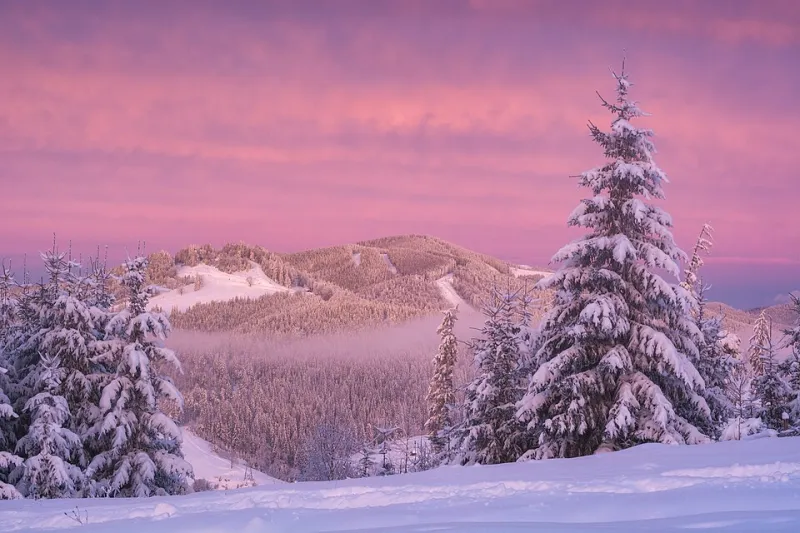
Photo: Kaitu, CC0, via Wikimedia Commons
You know the feeling. You take a hit on a cabin porch at 8,000 feet, and ten minutes later your mouth feels like a paper towel. You drink half a bottle of water, and it helps for about four minutes. Welcome to the cottonmouth summit. It is not a mystery, and it is not a sign that something is wrong with you. It is a predictable overlap of dry air, travel fatigue, and the way cannabis can turn down the tap on saliva. The fix is less about chugging a giant bottle at midnight and more about timing, pacing, and paying attention.
What Cottonmouth Actually Is
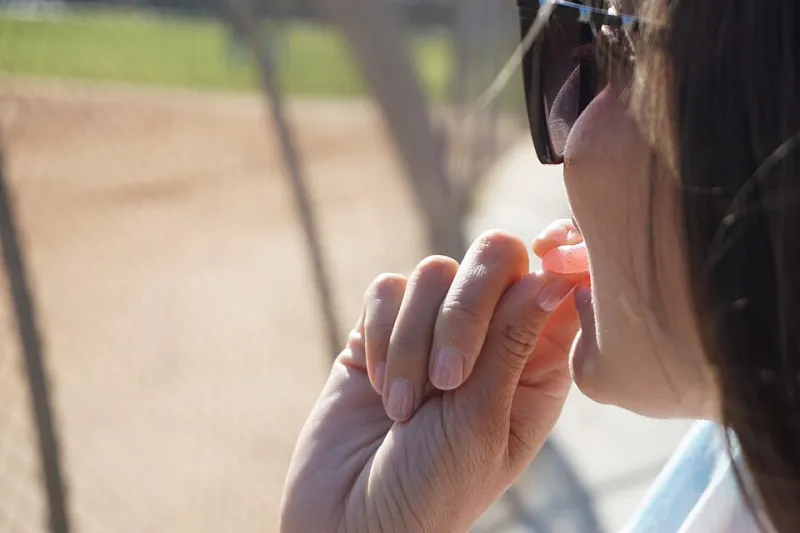
Cottonmouth is the everyday term for xerostomia, or dry mouth. Cannabis can contribute to it because cannabinoids interact with receptors in the body, including tissues involved in saliva production. Saliva is not just water; it is a whole mix of enzymes and proteins that keep your mouth comfortable and help with digestion. When saliva flow drops, your mouth feels sticky, your throat may feel scratchy, and talking can feel weird. Smoking or vaping can add irritation from heat and smoke, which makes the sensation feel sharper.
For most healthy adults, cannabis-related dry mouth is uncomfortable but temporary. It is not the same thing as dehydration, though the two can overlap. That distinction matters at altitude, where your body may already be losing water faster than usual.
Why Altitude Turns Dry Mouth Into a Summit
Mountain air is dry air. Cold air holds less moisture, and as you climb, the air pressure drops and the relative humidity often falls with it. You breathe faster at altitude, and you may breathe through your mouth more often because your nose feels cold or dry. Every one of those breaths moves moisture out of your body. Add a day of travel, a few cups of coffee, a beer at lunch, and a long ski or hike, and you are already starting behind.
Then cannabis arrives. Smoke and vapor can dry and irritate the mouth directly. Some people also get a dry throat from vaping, especially at higher temperatures. If you are already mildly dehydrated from the drive, the altitude, and the dry cabin air, the cottonmouth feels amplified. It is not that the cannabis is stronger at altitude in some magical way—though your experience of it may feel stronger—it is that your baseline is already drier.
The Travel-Fatigue Multiplier
Travel days are hydration traps. You drink less because you do not want to stop, you eat at weird times, and you sleep poorly in a new bed. Altitude can make that worse. Some people feel a little headachy or foggy on their first day in the mountains, and they reach for caffeine instead of water. If you add cannabis on top of that, the dry mouth can feel like a warning light.
This is why the best hydration plan starts before the session. If you are already running dry, a hit and a bottle of water will not fix the whole picture. You need to top up earlier and pace yourself later.
Build a Before-During-After Plan
Before a session, drink water with a meal or a snack rather than chugging a huge bottle on an empty stomach. If you have been hiking or skiing, replace some fluids and eat something with salt—pretzels, soup, a real meal—so your body has electrolytes to work with. Skip the second cocktail if you are planning to use cannabis; alcohol and cannabis together can make dry mouth and dizziness feel worse.
During a session, sip instead of gulping. A small glass of water every ten or fifteen minutes is easier on your stomach than a giant bottle at the end. If you are using a vape, try a lower temperature and take smaller pulls. If you are smoking flower, remember that smoke itself is an irritant. Sugar-free gum, hard candy, or a dry-mouth lozenge can help keep saliva moving. Keep lip balm nearby; dry mountain air is rough on lips too.
After a session, drink a normal amount of water, not a heroic amount. Brush your teeth if you can, or rinse with water. If your cabin has a humidifier, use it at night. If you wake up with a dry mouth, sip water and have something small to eat rather than chugging a liter at 2 a.m. Your kidneys do not need a midnight flood; your mouth just needs steady moisture.
Electrolytes Are Not Just a Sports Drink Slogan
Plain water is usually enough for a short session in a cabin. But if you have been sweating on a skin track, skiing hard, or hiking above tree line, you may lose electrolytes too. A pinch of salt in food, a broth-based soup, or a diluted sports drink can help. You do not need a giant tub of neon powder. Food is usually the simplest electrolyte delivery system.
Be careful with sugary drinks and energy drinks. They can feel hydrating in the moment, but the caffeine and sugar may not do you any favors if you are already jittery from a sativa or adjusting to altitude. Water, herbal tea, and watery foods like oranges or soup are solid choices.
Moderation Is a Hydration Strategy
At altitude, many people find that a little cannabis goes further than they expect. That is not a reason to chase a bigger high. A lower dose, smaller hits, and a longer pause between them can reduce dry mouth and keep the experience more comfortable. If you feel dizzy, lightheaded, or unusually dry, stop and sit down. Drink water slowly. Eat something. Give yourself time.
Edibles deserve a special note because they take longer to kick in. Do not eat more because you do not feel anything after twenty minutes. Use the label, start low, and wait. Dry mouth from edibles can show up later, so keep water nearby without overdoing it.
A Non-Medical Caveat
This is general lifestyle information, not medical advice. Persistent dry mouth, severe dizziness, confusion, a racing heart, or trouble breathing are reasons to stop and seek help. If you have a medical condition or take medication that affects hydration or saliva, talk to a clinician about what is right for you. And if dry mouth sticks around long after your session, mention it to a dentist or doctor.
The Misty Mountain Hydration Checklist
- Water with meals before you start
- A small water bottle you will actually sip from
- Electrolytes from food if you have been sweating
- Lip balm and sugar-free gum
- A humidifier for the cabin if available
- Lower-temp vape settings and smaller hits
- A snack with a little salt
- A plan to stop if you feel dizzy or off
The cottonmouth summit is real, but it is not a crisis. Respect the dry air, pace your water, eat something real, and keep your session moderate. The mountain will feel a lot more comfortable when your mouth is not competing with the altitude for attention.