Why the Dispensary at 9,000 Feet Carries Strains You've Never Seen Downtown
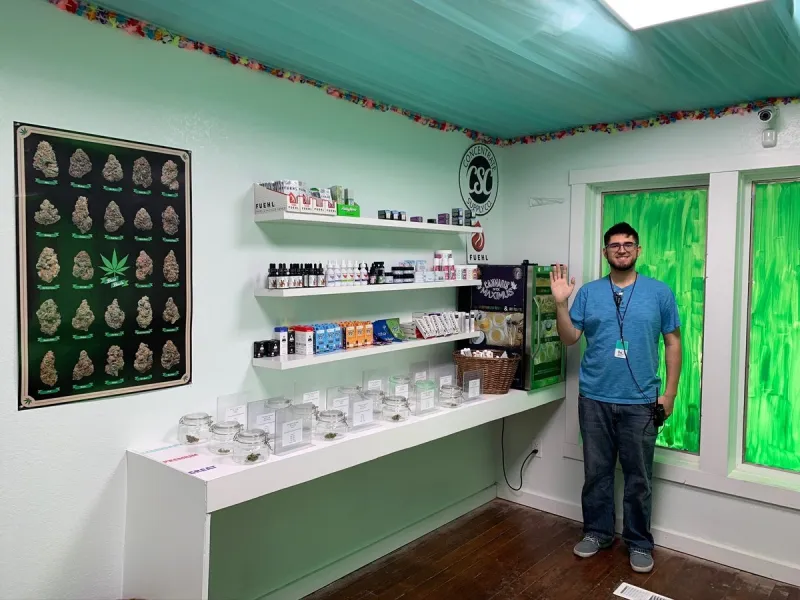
Photo: mountain dispensary interior cannabis shelves Colorado, via dynamic-media-cdn.tripadvisor.com
Pull into a dispensary tucked into a Colorado ski town or a Northern California mountain community, and you might do a double-take at the menu. Where are the heavy-hitting, max-THC cultivars plastered across every urban shop's top shelf? Why does this place have three different low-dose options and a whole section dedicated to landrace-adjacent genetics? And what's with all the locally grown flower?
Welcome to the world of altitude-driven retail curation — where geography doesn't just shape the scenery, it shapes the shelves.
Supply Chains Don't Climb Mountains Easily
Let's start with the basics: getting product to a high-elevation dispensary is genuinely harder than stocking a shop in Denver, Sacramento, or Seattle. Deliveries take longer. Road conditions can close routes for days at a time. Refrigerated transport for certain products — think live resin, solventless concentrates, or anything temperature-sensitive — gets complicated fast when you're hauling gear over a 12,000-foot pass in January.
The result? Mountain retailers tend to favor products with a longer shelf life, and they're more likely to build relationships with smaller, regional cultivators who can reliably deliver even when conditions get gnarly. That means you're less likely to find the mass-market, big-brand flower that dominates urban shelves, and more likely to encounter craft batches from growers who actually live and work in the region.
This isn't just a logistics quirk — it's a genuine differentiator. Local sourcing at altitude often means fresher product, tighter relationships between budtenders and growers, and a menu that reflects the actual ecosystem surrounding the shop.
The Customer Base Is Fundamentally Different
Who shops at a mountain dispensary? The answer is more layered than you might think. Yes, there are tourists — skiers, hikers, festival-goers, and road-trippers who wander in looking for something to enhance the weekend. But there's also a year-round local population that's often surprisingly sophisticated about cannabis, particularly around how elevation affects their experience.
Regular mountain residents tend to know, either from personal experience or budtender education, that the same product that delivers a mellow evening buzz at sea level can hit dramatically harder at 8,000 feet. Reduced oxygen availability, lower atmospheric pressure, and the physical demands of outdoor activity at altitude all conspire to amplify cannabis effects in ways that catch newcomers off guard.
Smart mountain dispensaries respond to this reality by stocking their shelves accordingly. You'll often find a larger selection of moderate-THC flower — think 15–20% rather than the 30%+ that gets hyped in urban markets. Microdose edibles, lower-potency tinctures, and 1:1 CBD-to-THC products tend to occupy more prominent shelf space. The logic is simple: a shop that helps tourists have a good time rather than an overwhelming one earns repeat business and positive word of mouth.
Strain Selection Follows the Terrain
Here's where it gets really interesting. The strains themselves often reflect the landscape.
Mountain dispensaries in the Rockies, the Sierra Nevada, and the Cascades frequently carry genetics that were either developed for high-altitude growing or that have historically thrived in rugged, variable climates. Landrace strains with origins in the Hindu Kush, the highlands of Mexico, or the mountains of Afghanistan tend to pop up more often at elevation than in coastal urban shops. These genetics carry centuries of adaptation to cold nights, intense UV exposure, and shorter growing seasons — all conditions that mirror the environment outside the dispensary door.
There's also a preference for strains with robust terpene profiles over raw THC percentage. Mountain consumers and the budtenders who serve them have largely caught on to the idea that a well-rounded cannabinoid and terpene profile delivers a more predictable, enjoyable experience than a number on a label. Strains rich in myrcene, pinene, or linalool — chosen for their calming, grounding, or focus-enhancing properties — tend to sell well in communities where people are spending real time outdoors and need their cannabis to work with the environment rather than against it.
The Urban Shelf vs. The Mountain Shelf
Walk into a dispensary in a major metro area and you're navigating a market shaped by volume, competition, and trend-chasing. Big brands spend serious money on placement. High-THC numbers move product because consumers have been conditioned to equate potency with value. Flash packaging and influencer-adjacent marketing dominate the conversation.
The mountain shelf operates on different rules. Budtenders at elevation often have more time to actually talk with customers — the pace is slower, the transactions more conversational. That creates space for genuine education, which in turn supports a more nuanced inventory. When a budtender can walk a first-time high-altitude consumer through the difference between a 25% THC sativa and a 16% THC hybrid with a complementary terpene stack, the shop can actually sell the latter with confidence.
It's also worth noting that many mountain communities have strong environmental values, and that ethos bleeds into purchasing decisions. Organic, sun-grown, and regenerative cultivation practices matter more to the average mountain dispensary customer than they might in a city where price and convenience drive the cart. Retailers respond by seeking out vendors who can speak to their growing practices with specificity.
What This Means for You as a Consumer
If you're planning a mountain trip and intend to visit a local dispensary, go in with an open mind and a willingness to let the menu surprise you. Don't default to the highest THC number on the board. Ask the budtender what's locally sourced, what's been moving well with people doing the same activities you're planning, and what they'd personally recommend for someone at altitude.
And if you're a regular mountain resident who's been defaulting to whatever looks familiar? Spend a few minutes exploring the strains your local shop carries that you don't recognize. There's a good chance those unfamiliar names are there for a reason — curated specifically for the elevation you're living at, by people who understand exactly what this altitude does to a cannabis experience.
The mountain dispensary is a different beast than its urban counterpart, and that's genuinely a good thing. The shelf you're browsing has been shaped by terrain, climate, community, and a whole lot of hard-won local knowledge. That's worth something — maybe even more than a percentage point or two of THC.