Ridge by Ridge: How America's Great Mountain Ranges Shape the Cannabis You Smoke
Photo: Krigore, CC BY-SA 4.0, via Wikimedia Commons
Ask most consumers what makes a great strain, and they'll rattle off genetics — terpene profiles, cannabinoid ratios, lineage going back to some legendary landrace. Fair enough. But spend any real time talking to cultivators who work high-altitude grows across different corners of this country, and a more complicated picture starts to emerge. The mountain you're growing on? It has opinions.
America's major ranges aren't just scenic backdrops. They're living laboratories — each one running its own pressure test on cannabis plants, selecting for resilience in some places and coaxing out unexpected complexity in others. Here at Misty Mountain Canna, we think geography deserves a seat at the table when you're evaluating what you're consuming. So let's take a range-by-range look at how the land shapes the leaf.
The Rockies: High Drama, High Resin
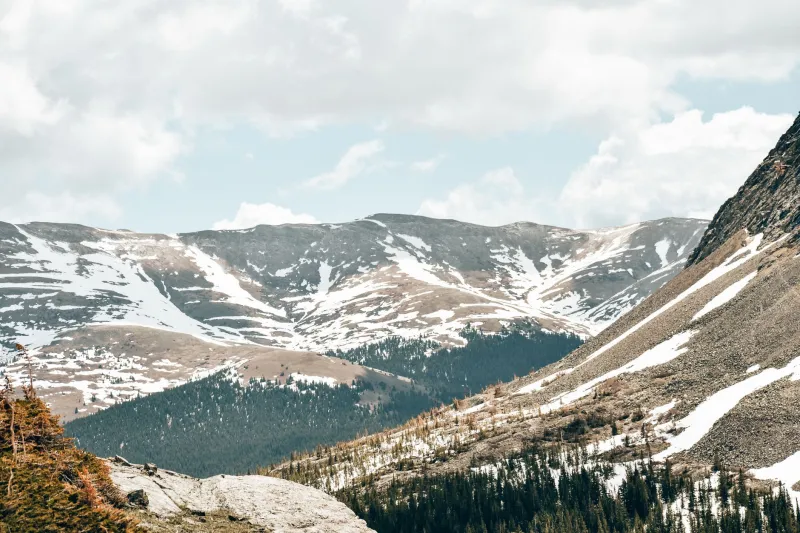
If you want to understand why so much of Colorado's craft cannabis punches above its weight on potency, start with the numbers. Denver sits at 5,280 feet. Many of the state's licensed outdoor grows push well past 7,000. At those elevations, UV-B radiation intensity increases significantly — and cannabis plants respond by ramping up resin production as a natural sunscreen. The result is a trichome density that growers at sea level genuinely struggle to replicate.
But the Rockies aren't a monolith. The Western Slope — think the Grand Valley and the Roaring Fork corridor — offers a drier, more continental climate that suits thick-skinned, mold-resistant cultivars. Strains with OG Kush or Afghan heritage tend to perform exceptionally well here, their dense structure drying out cleanly in the low-humidity air. Move east toward the Front Range foothills and you get more temperature swing, more afternoon thunderstorms, and a narrower harvest window that rewards fast-finishing genetics. Autoflowering varieties and early-maturing sativas like Durban Poison crosses have carved out a real niche in these conditions.
The soil story is equally compelling. Much of the Rocky Mountain region sits on mineral-rich decomposed granite and volcanic substrates — high in phosphorus and trace minerals that some cultivators credit with an earthy, almost spicy baseline note in locally grown flower.
The Cascades: Moisture, Mold Pressure, and the Art of the Sativa
Pacific Northwest growers will tell you, usually with a mix of pride and exhaustion, that their mountains keep them honest. The Cascades create one of the most dramatic rain-shadow effects on the continent. The western slopes — feeding into the Willamette Valley and Puget Sound lowlands — are perpetually damp, overcast, and cool. The eastern slopes drop into near-desert conditions almost immediately.
For cannabis cultivation, that divide is everything. West of the Cascades, outdoor growing is a constant negotiation with botrytis (bud rot) and powdery mildew. The strains that thrive here tend to be loose-structured, airy-budded varieties that allow airflow — think classic sativa-dominant genetics, haze lineages, and modern hybrids bred specifically for Pacific humidity tolerance. The tradeoff is that this environment can produce flower with exceptional aromatic complexity. Cool, slow maturation draws out terpene development in ways that hot, fast-finishing climates simply don't allow. Many connoisseurs argue that the best Cascade-grown flower has a brightness and floral top note you don't find anywhere else.
East of the range, in the rain shadow of central Oregon and Washington, cultivators work with almost Rocky Mountain-like dryness. This is where you start seeing indica-leaning and kush-forward genetics dominate outdoor plots, cashing in on that UV exposure and low humidity.
The Sierra Nevada: California's Crown Jewel of Outdoor Cannabis
California's legacy cannabis culture has always been inseparable from its mountains. The Emerald Triangle — Humboldt, Mendocino, and Trinity counties — isn't technically Sierra Nevada territory, but the broader Northern California mountain ecosystem set the template for American connoisseur cannabis decades before legalization.
The Sierra Nevada proper, running along the state's eastern spine, offers something genuinely rare: a combination of Mediterranean-influenced warmth, reliable sunshine, and just enough elevation to push resin production without sacrificing the long growing season California is famous for. Foothills in the 2,000–4,500 foot range represent a kind of sweet spot — warm enough for big sativa-leaning plants to fully express themselves, high enough to avoid the punishing heat of the Central Valley floor.
Granitic Sierra soils tend to be well-draining and slightly acidic, which suits cannabis fine and produces what many growers describe as a clean, crisp smoke with less of the earthiness you get from heavier clay-based soils elsewhere. Strain-wise, the Sierra has historically been hospitable to everything from classic OG hybrids to heirloom sativas, and the region's long dry fall season makes it one of the only places in the country where late-finishing cultivars can fully ripen outdoors without racing a rain deadline.
The Appalachians: America's Oldest Mountains, an Emerging Cannabis Frontier
The Appalachians don't get nearly enough credit in cannabis conversations, and that's starting to change as legalization spreads through the Southeast and Mid-Atlantic. These are old mountains — worn down, rounded, blanketed in some of the most biodiverse temperate forest on the planet. They're also surprisingly varied in microclimate, from the cool highlands of Western North Carolina to the fog-filled hollows of West Virginia and the rocky ridgelines of Vermont.
Appalachian cannabis cultivation is still finding its identity, but a few patterns are emerging. The region's high humidity and frequent summer rain make mold resistance non-negotiable — similar challenges to the wet Cascades, but with a warmer baseline temperature. Hemp cultivation has deep roots here (literally), and many small cannabis farmers are drawing on that legacy knowledge. Strains with Southeast Asian or tropical sativa heritage have shown interesting adaptation potential in the warmer southern Appalachians, while Vermont and western Massachusetts growers are working with the same cold-hardy genetics that dominate New England — fast finishers, dense buds, heavy on the myrcene.
What the Appalachians bring to the table that's genuinely unique is soil age and organic depth. These mountains have been accumulating forest duff and decomposing hardwood matter for millennia. The dark, rich, slightly acidic soils of the hollows can produce flower with a distinctive earthiness and depth — less mineral-sharp than Rocky Mountain grows, more loamy and complex.
What This Means for You at the Dispensary
None of this is just academic. If you're buying from a dispensary that carries craft, small-batch, or locally grown flower — especially in states with active mountain cultivation — asking about growing region is a genuinely useful question. "Grown in the Roaring Fork Valley" or "Western Slope outdoor" tells you something real about what you're holding.
The bigger takeaway is that American cannabis geography is finally getting the serious attention it deserves. Just as wine drinkers learned to think about Napa versus Willamette Valley versus Finger Lakes, cannabis consumers are starting to map their preferences onto the land itself. The peaks have always been part of the product. We're just finally starting to read the label.