Small Doses, Big Peaks: How Microdosing Cannabis Can Deepen Your Mountain Mindfulness Practice
Photo: Victor Eneojo Jeremiah, CC0, via Wikimedia Commons
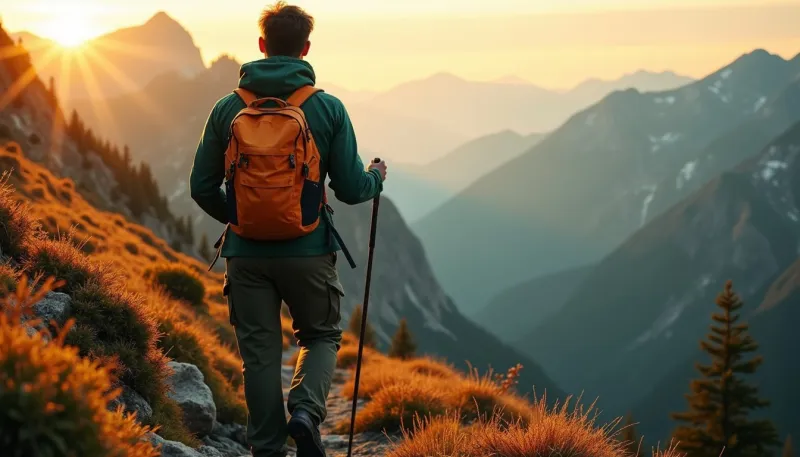
There's a particular kind of stillness you find at elevation. Maybe it's the moment just after sunrise when the mist is still clinging to the ridgeline, or the quiet rhythm of your boots on a pine-needle trail with nothing but birdsong and your own breath for company. For a growing number of outdoor enthusiasts across the US, a small, intentional dose of cannabis is becoming part of how they access — and sustain — that feeling.
This isn't about getting high on a hike. It's about something far more subtle, and honestly, a lot more interesting.
What Exactly Is Microdosing?
Microdosing refers to consuming cannabis at doses well below the threshold that produces noticeable intoxication — typically somewhere between 1 and 5 milligrams of THC, sometimes paired with CBD. The goal isn't to feel "stoned." It's to take just enough to nudge your nervous system toward a state of relaxed alertness without compromising your coordination, judgment, or awareness.
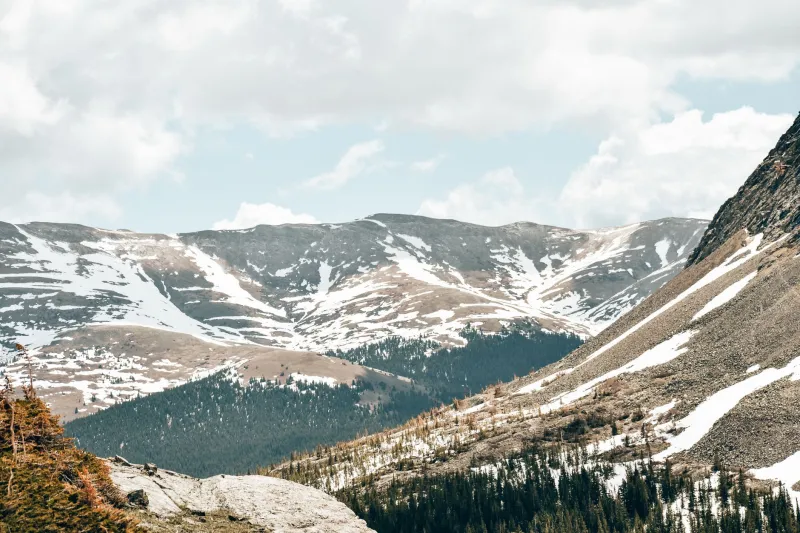
The concept has roots in psychedelic research — you've probably heard about microdosing psilocybin for creativity or focus — but cannabis operates through a different mechanism. THC and CBD interact with your endocannabinoid system, which plays a significant role in regulating mood, stress response, and sensory perception. At low doses, many people report a gentle lifting of mental noise, a softening of anxious thought loops, and a heightened sensitivity to their immediate environment. For someone sitting cross-legged at 9,000 feet watching alpenglow spread across a granite face, that's a pretty compelling combination.
The Science of Subtle: Why Less Can Be More
Here's where things get genuinely fascinating from a neurological standpoint. Research suggests that THC follows a biphasic dose-response curve — meaning low doses and high doses can produce almost opposite effects. A small amount may reduce anxiety and sharpen sensory focus, while a large amount can trigger the exact anxiety and cognitive fog that mindfulness practices are designed to dissolve.
A 2017 study published in Drug and Alcohol Dependence found that low-dose THC (7.5 mg) significantly reduced stress responses in participants, while a moderate dose (12.5 mg) actually increased negative mood and anxiety. That's a meaningful gap, and it underscores why intentionality matters so much here.
For mindfulness practitioners, this dose-sensitivity is actually an invitation. It encourages you to slow down, pay attention to your body, and approach cannabis the way you might approach breathwork — with curiosity and respect rather than habit or excess.
Sunrise Yoga at the Trailhead: A New Kind of Morning Ritual
Ask anyone who's rolled out a yoga mat at a mountain campsite just as the sky starts to pink up, and they'll tell you the setting alone is transformative. Add a 2 mg THC gummy or a single low-dose puff from a vaporizer about 20 to 30 minutes before your practice, and many practitioners report that the experience shifts in meaningful ways.
Breath awareness tends to deepen. Transitions between poses feel more fluid. The tendency to mentally draft your grocery list mid-warrior-two? Noticeably quieter.
Sarah, a yoga instructor from Asheville, North Carolina, who leads mountain retreat weekends, describes it this way: "I used to think cannabis and yoga were kind of at odds. Then I tried a really small dose before a sunrise session in the Smokies and I understood what people mean when they talk about being in their body. It wasn't a high. It was more like the volume on everything internal got turned down just enough that I could actually hear the practice."
That tracks with what mindfulness teachers have long described as the challenge of formal meditation — not the sitting still part, but the quieting of the default mode network, the brain's tendency to ruminate, plan, and narrate. Microdosed cannabis, for some people, offers a gentle assist.
Meditative Hiking: Moving as Mindfulness
Not everyone meditates on a cushion. For a lot of us, the trail is the meditation. The repetitive cadence of walking, the demand for present-moment attention on terrain, the way a long climb empties the mind — these are legitimate mindfulness practices with well-documented benefits for mental health.
Microdosing can complement this kind of moving meditation in specific ways. Some hikers report that a low dose enhances sensory immersion — colors feel more vivid, the texture of bark or lichen becomes genuinely interesting, the sound of water over rocks holds attention in a way it might not during an ordinary Tuesday afternoon. This isn't hallucination; it's more like the volume on sensory input gets a slight boost while the mental commentary quiets down.
That said, trail safety has to be part of this conversation — full stop.
Staying Safe: What Responsible Mountain Microdosing Actually Looks Like
Let's be direct: cannabis affects balance, reaction time, and decision-making, even at low doses, and those effects are amplified at altitude (yes, elevation genuinely intensifies your high — but that's a whole other article). Here are the non-negotiables for anyone considering this practice:
Start at home, not on the mountain. Your first time microdosing should absolutely not be at the trailhead. Experiment with your chosen dose in a familiar, safe environment so you know exactly how your body responds before you add elevation, exertion, and variable terrain to the equation.
Know your product. Edibles are popular for microdosing because the dose is measurable and consistent. If you're using flower or a vaporizer, go slow — single, small inhalations with time to assess before taking more. Look for products labeled with precise, low-dose THC content from licensed dispensaries.
Don't push technical terrain. Microdosing is for mellow trails, meditation spots, and gentle yoga sessions — not scrambles, exposed ridges, or routes that require your full unaltered athletic capacity. Know the difference.
Hydrate and fuel properly. Cannabis can mask hunger and thirst signals, and dehydration hits harder at altitude. Drink water consistently regardless of whether you feel thirsty.
Check the laws for where you're hiking. Consuming cannabis in national parks is federally prohibited regardless of state law. State parks and public lands vary. Always know the rules for your specific location before you go.
The Bigger Picture: Intentionality as the Real Practice
What draws people to microdosing in a mountain context isn't really about cannabis at all — it's about the desire to be fully present in some of the most beautiful landscapes on earth. The mountains don't require any enhancement. They're already doing something profound.
But for some people, a small, thoughtful dose of cannabis serves as a kind of reset button — a way to arrive at the trailhead actually present rather than still mentally stuck in traffic or email threads. Used that way, with intention, education, and respect for both the plant and the terrain, it can be a genuinely meaningful part of a mindfulness toolkit.
At Misty Mountain Canna, we believe the summit is always worth the climb — whatever your path looks like to get there.